
Breaking the Mold in 2026
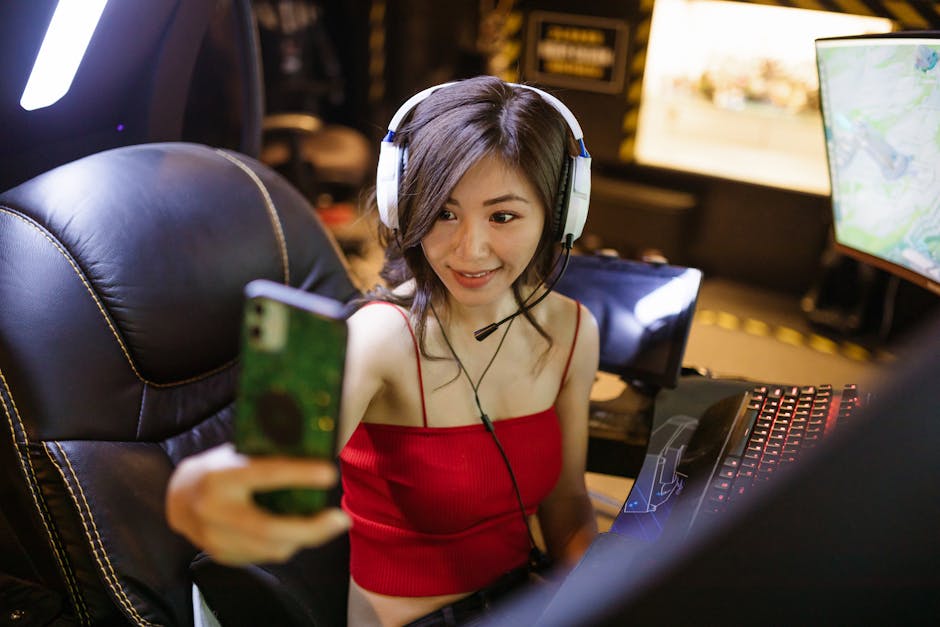
Female led teams aren’t just popping up they’re showing up. From North America to Southeast Asia, all women squads are no longer the exception in top tier esports. They’re qualifying, competing, and standing toe to toe with longstanding male dominated rosters. Names like Valorant, League of Legends, and CS2 aren’t new to female competitors but now, the level of competition has caught up.
More women are entering the most watched, highest stakes titles in the industry. But this isn’t just about numbers. It’s about firepower. The players hitting the stage today are sharper, faster, and more tactical than even a few seasons ago. Years of grassroots events, semi pro ladders, and community run leagues have built a talent pool that’s deeper and better prepared for the spotlight.
Visibility helps. These teams are getting broadcast slots, headline matches, and social traction. That matters for younger players watching from the sideline now, and for sponsors looking for the next breakout star. The skill is real. The pressure is on. And the door is finally open wide enough for more women to run through it.
Key Drivers Behind the Momentum
For years, female representation in esports felt like an afterthought. That’s no longer the case. Competitive venues are finally seeing women at the forefront backed by serious infrastructure. More organizations are launching all women lineups, not as side projects, but as flagship teams. These squads aren’t just playing they’re practicing with pro level coaching, analysts, and proper contracts.
Brands are catching on. Sponsorships that once skewed overwhelmingly toward male rosters are broadening out. Big names in tech, fashion, and energy drinks now see the value in backing female talent. The dollar flow is changing because smart marketing cares less about gender and more about community traction and authenticity.
Most telling? The fans demanded this. Viewers want to see themselves on the screen. That call for better representation is pushing orgs to adapt their hiring and scouting strategies. It’s no longer about ticking boxes it’s about staying relevant in a wider, louder conversation. Esports grows when it reflects its audience, and more fans are showing up because they finally feel seen.
Stats and Milestones That Matter
In just two years, the women’s esports scene has seen a noticeable shift in presence and performance, especially at the top levels of competitive play. From 2024 to 2026, female led teams have qualified for significantly more S tier tournaments including prominent events in titles like Valorant, Counter Strike 2, and Apex Legends. In fact, the number of all female teams appearing in high profile LAN events has more than doubled since 2023.
These aren’t just participation milestones they’re competitive ones. Teams like Nova Valkyrie and EmberWired have pulled off major upsets at international events, finishing in top eight brackets and, in two cases, making semifinals runs that put co ed rosters on alert. These wins weren’t token invites they were earned through qualifiers and hard bracket climbs.
Beyond tournament play, female teams are commanding stronger financial territory. Sponsorships are scaling, prize pool shares are climbing, and monetized streaming has surged across platforms. According to Esports Metrics Watch, total earnings by all women teams from 2024 through mid 2026 have increased by over 130%, with individual players crossing into six figure ranges off streams alone. The audience is growing, too. Fans are following for both gameplay and personality with consistency, skill development, and authentic team dynamics driving loyalty.
This isn’t buzz. This is measurable traction from brackets to bank accounts.
Top Teams and Players to Watch
The rise of all female esports teams isn’t just about representation it’s about performance. Across major titles, several standout teams and players are breaking records, redefining what competitive excellence looks like, and building strong communities along the way.
Standout All Female Teams in the Spotlight
1. Helix Valkyries (Valorant)
Helix Valkyries, a European based team, has consistently placed in the top 8 of multiple mixed gender tournaments in 2025 and 2026. Their coordination, mechanical skill, and strategic depth have moved them into contention as a true tier one team.
Qualified for the 2025 Crossfire Elite Series global finals
Averaging 250K+ views per tournament stream
Signed exclusive content deal with a major streaming platform
2. Nova Ignite (League of Legends)
North America’s Nova Ignite has built a reputation for aggressive early game plays and tight team synergy. They’ve become a staple in seasonal qualifiers, often outperforming lower tier franchise teams.
First all female roster to reach semifinals in a regional championship
Combined social media following of over 2 million fans
Revenue growth through merch and branded collabs has doubled since 2024
Breaking Into the Co ed Scene
Beyond full team efforts, individual players are also rewriting industry norms.
Zeiha (CS2) was the first woman to be named IGL (in game leader) of a co ed roster in the Intercontinental Pro League. Her leadership and composure have drawn praise from analysts and fans alike.
Led her team to two top 5 finishes in 2026
Frequently cited as “one to watch” for international MVP rankings
Krys (Valorant) joined a high profile mixed roster in early 2026 and quickly made her mark as one of the league’s most accurate duelists.
Ranked among the top 10 for clutch plays that season
Amassed 1.3M Twitch followers through highlight reels and behind the scenes content
What Sets Them Apart
What makes these players and teams stand out isn’t just performance it’s presence:
Streaming Power: Many of these women have large, loyal audiences that tune in for gameplay, commentary, and training tips.
In Game Metrics: From MVP scores to objective control rates, their numbers stack up across key performance metrics.
Community Engagement: Strong fan bases, active Discord channels, and community events contribute to sustained visibility and brand growth.
The top female talents in esports are blurring the lines between competitive dominance and cultural impact proving that skill, leadership, and fan engagement know no gender.
The Roadblocks They Still Face
Progress doesn’t cancel out problems. While the rise of female esports teams is real, so are the barriers they continue to face. Online toxicity remains relentless. Players deal with harassment in Twitch chats, in game comms, and on social platforms often way more aggressively than their male counterparts. Bias isn’t always loud either. It shows up in subtler ways: being underestimated by coaches, ignored in roster conversations, or judged harder after a single bad match.
Sponsorship gaps are another major hurdle. Despite increased exposure, female teams often get sidelined when it comes to the major brand deals and marketing pushes. Media coverage still leans heavily male unless a woman’s story fits a specific narrative. The dollars follow the spotlight and right now, it’s not evenly shared.
Tournament support is hit or miss. Some organizers are stepping up, offering real investment in women’s brackets. Others treat female divisions like side events: lower prize pools, fewer promotion assets, sketchy scheduling. If the scene is going to grow, consistency has to improve.
These roadblocks don’t stop the momentum, but they do slow it. The challenge now is turning inclusion from a trend into structure something built into the system, not just added onto it.
The Outlook for the Next Season
Esports is making moves toward a more balanced future, and the signs are obvious. Integrated tournament brackets are on the rise, breaking down the old norms that kept female teams siloed. More mixed gender qualifier setups. Fewer invites based on name alone. The field is tilting toward merit, not legacy.
On the business side, brands are catching up to the moment. Diversity and inclusion aren’t just moral checkboxes anymore they’re marketing imperatives. Campaigns that ignore representation risk falling flat. Expect more collaborations with female led teams, co branded content, and visible sponsorship placements.
Major events scheduled for 2026 are already showing their cards: bigger female team slots, balanced casting desks, and even new tournament rules designed to neutralize historic bias in seeding. It’s still early, but momentum is real.
To see where it’s all heading, check out our guide to the Upcoming Esports Tournaments to Watch This Quarter.
Final Thoughts: More Than a Trend
Female esports teams are no longer a novelty they’re contenders. What was once framed as a push for diversity now stands on the footing of raw talent and relentless work. These teams aren’t just showing up; they’re qualifying, winning, and rewriting what the top tier can look like.
What’s powering this shift isn’t handouts it’s structure. There are now serious pipelines: skilled coaching, consistent scrim schedules, high pressure LAN experience, and support outside the game. These players earned their spots, and they’ve got the gameplay receipts to prove it. That matters. Because in 2026, esports isn’t just about watching the best aim it’s about knowing that no capable player is left on the bench because of gender.
The scene is changing, and the smart orgs, sponsors, and fans are already tuned in. Equal footing isn’t theoretical anymore it’s practice, result, and expectation.