

What’s the Hype About?
ReturnalGirl dropped into early access with almost no warning, and it’s already making waves in the indie scene. Developed by Nox Ember Studios a small but scrappy team out of Austin, Texas the game follows Lyra, a spacefaring pilot trapped in a looping universe where each death reshapes reality. Yeah, it’s a rogue lite at heart. But what catches people off guard is how much emotional ground it covers between action packed encounters. Grief cycles, memory glitches, and fractured humanity are all baked into the gameplay.
The genre mix here isn’t exactly playing it safe. It’s one part bullet hell, one part sci fi horror, and layered with narrative moments that feel more like interactive short stories than typical game exposition. Somehow, it works. The emotional storytelling doesn’t weigh things down it gives the chaos a kind of rhythm.
Early critics are intrigued. Some compare it to Hades with emotional baggage, others say it’s what Returnal might’ve been if it had stripped away the AAA polish and doubled down on intimacy. Players in early access report a challenging loop system, solid mechanics, and a healthy dose of “what the hell just happened” in a good way. Whether this all holds up in full release? Too soon to say. But right now, ReturnalGirl has people talking.
Gameplay That Hits Different
ReturnalGirl doesn’t just ride the wave of rogue lite popularity it sharpens its own edge. The game introduces nuanced mechanics and a compelling gameplay loop that sets it apart from other indie darlings.
What Sets It Apart
Here’s where ReturnalGirl stands out from the crowd:
Dynamic movement mechanics: Fast paced dashes, wall runs, and vertical traversal give the player more freedom than typical twin stick shooters.
Emotion tied upgrades: Power ups are not just functional they’re narrative tools that evolve based on the protagonist’s emotional state.
Layered progression system: Progress holds weight without destroying the risk reward core of the rogue lite genre.
The Loop That Hooks You
ReturnalGirl nails a crucial component: the gameplay loop. It blends story progression and challenge escalation in a way that makes each run feel purposeful.
Persistent threads carry between runs, teasing new story angles and unlocking secrets.
Mid run decisions change how the world unfolds, giving your actions real consequence.
Failure isn’t just reset it’s reflection and recalibration.
This balance between repetition and discovery is why players keep coming back.
Enemies, Bosses, and Balance
From unsettling grunts to chaotic boss encounters, enemy design in ReturnalGirl goes beyond difficulty spikes:
Enemy variety ramps up gradually, supporting organic learning and mastery
Boss fights mix patterns and pacing to create cinematic, high stakes moments
Pacing keeps tension steady quiet exploration interspersed with explosive combat
The result: each level feels handcrafted rather than formulaic.
Polished Where It Counts
Even during its early release phase, ReturnalGirl is impressively optimized:
Stable frame rates across PC and major consoles
Minimal load times create uninterrupted immersion
Optimized experience on both high and mid range machines
In short, it’s a rare indie that feels as refined as its big budget counterparts without compromising its creative independence.
Visuals and Sound Design That Stick
ReturnalGirl doesn’t lean on realism or high res flexing. Instead, it uses stylized design to punch above its weight. The visuals are sharp, deliberate tight color palettes, clean silhouettes, and just enough detail to carry emotion without distracting fluff. It looks good because it knows what it wants to be, not because it’s trying to mimic AAA shine.
The audio work plays a huge role too. The soundtrack shifts subtly between eerie calm and full on chaos, helping every loop feel fresh even when you’re facing the same biome again. Sound effects are crisp and carefully placed. You feel the sting of enemy shots and the heavy breath of the main character in the quiet moments between fights.
Atmosphere is where it all comes together. This game doesn’t rush the player. It builds tension with silence as much as scoring, and it keeps the world just unknowable enough to make every corner a maybe. That balance between dread and discovery isn’t easy to hit. Somehow, ReturnalGirl nails it without needing a blockbuster budget or bloated dev timeline.
Player Centered Customization
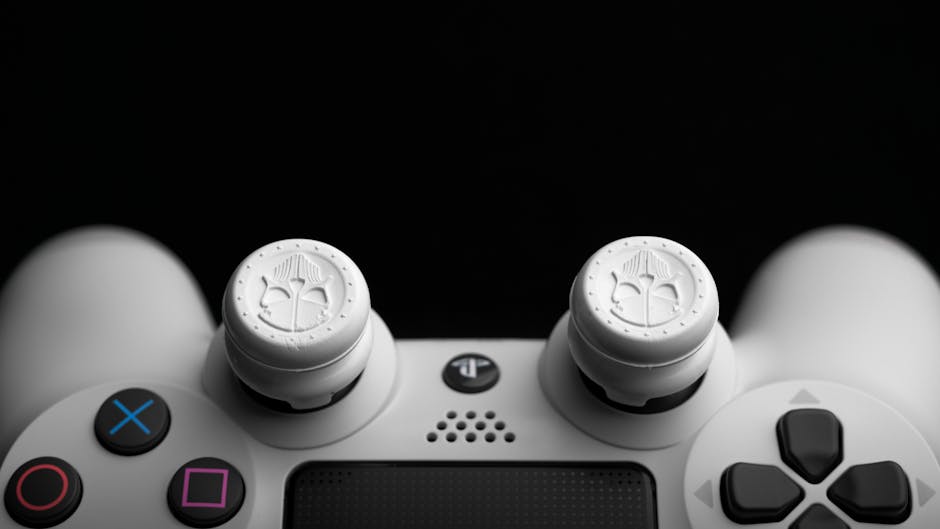
ReturnalGirl doesn’t just let you play it lets you play your way. The game offers a surprisingly deep set of customizable options for a title coming out of the indie space. Whether you’re someone who likes fine tuned control over dodge timings or wants to tone down the combat challenge without killing the tension, the settings menu has you covered.
There’s flexibility baked into everything: adjustable difficulty sliders, visual effect scaling for those sensitive to flashes or motion blur, and full control remapping. Some systems even let you tweak pacing elements in the story loop ideal for folks juggling mood or accessibility needs. It’s a rare kind of precision aimed at making players feel seen, not just served.
This level of flexibility isn’t just about playing easier it’s about playing smarter, smoother, or weirder, depending on your flavor. ReturnalGirl’s devs clearly had one question in mind: how can we get out of the player’s way?
For more on how developers are dialing in control and giving players the wheel, check out custom game settings.
Why It Could Be an Indie Breakout
Every breakout indie hit has a few things in common: smart decisions, the right timing, and players who actually care. ReturnalGirl checks those boxes without trying too hard. The dev team clearly understands what modern gamers want tight mechanics, strong style, and emotional storytelling that doesn’t lean on cliches. It’s not just about putting out a game; it’s about making one that respects your time and delivers value in the first ten minutes.
Instead of chasing hype, ReturnalGirl has earned its buzz. Early access feedback loops are treated like gospel, not marketing tools. Adjustments get made. Players get heard. That kind of two way conversation is rare and it’s what builds loyal communities, not just customers.
The game also benefits from smart timing. With few blockbuster releases crowding its calendar slot, it has room to breathe. Room to grow. The buzz isn’t being drowned out, it’s building steadily a word of mouth rise that feels organic.
In short: it’s not just that ReturnalGirl is good. It’s that it’s smart, it’s got space to shine, and it’s listening to the people who matter most: the players.
Where ReturnalGirl Fits in the Bigger Picture
In the Company of Greats
ReturnalGirl is already drawing comparisons to past indie successes like Hades, Dead Cells, and Slay the Spire games that made big waves with small teams. While each of those titles carved out their own genre niches, ReturnalGirl blends narrative depth with action driven loop gameplay in a way that feels fresh yet familiar.
Key comparisons:
Hades: roguelike roots + strong narrative structure
Dead Cells: fluid combat and procedural level design
ReturnalGirl: a balance between emotional storytelling and repeatable gameplay loops
This hybrid approach could push ReturnalGirl into the same cult classic territory.
New Publishing Frontiers for Indies
The indie game landscape has shifted dramatically in 2024. Traditional publishing is no longer a must for success, and many small studios are taking a direct route to the market. ReturnalGirl’s development team tapped into a hybrid model:
Crowd backed momentum early on via platforms like Itch.io and Kickstarter
Direct to community marketing through social media and devlogs
Soft partnerships with content creators rather than large publishers
This lean model allowed creative freedom without compromising reach and may become a blueprint for indie studios moving forward.
What This Means for Small Studios
ReturnalGirl’s early success signals a bigger opportunity for small teams:
It’s proof that strong mechanics + narrative can punch above their budget
It shows that deep customization and accessibility matter more than blockbuster polish
It validates the power of authentic community feedback over paid promotion
If the game maintains its momentum past launch, it could open doors for other indie developers looking to tell bold stories in unconventional formats.
ReturnalGirl isn’t just another indie title it might signal where the genre is heading next.
Settings That Matter
ReturnalGirl doesn’t just run well it runs the way you want it to. The advanced customization menu isn’t buried under layers or locked behind difficulty modes. It’s upfront, detailed, and refreshingly player first. Think full remapping for controls, toggles for visual clarity, and scalable difficulty sliders that actually impact gameplay not just enemy HP sponginess.
What stands out is the personalization side. You can fine tune how the dodge works, whether environmental blur is present, or even control how much in combat feedback the HUD gives you. It’s designed less like a developer checklist and more like a toolkit for different types of players streamers, challenge seekers, total newcomers, all covered.
The devs clearly built the setting suite to support how you play, not just how they want the game run. It’s performance and comfort in equal measure. If you want a full breakdown of what’s under the hood, head to custom game settings.
Keep an Eye on This One
ReturnalGirl isn’t just riding launch buzz it’s showing the kind of post release traction that suggests long term impact. The speed and quality of updates since early access have been solid, with hotfixes rolling out fast and real community requests starting to appear in patch notes. Even in its early form, the build has very few technical hiccups a good sign the dev team knows what they’re doing.
There’s also clear room for content growth. New biomes, alternate weapons, expanded story paths each is a realistic frontier the developers could explore without breaking the game’s core loop. The structure is modular enough to take on fresh content without feeling bloated. If ReturnalGirl follows the slow burn model of titles like Hades, expect periodic content drops, holiday events, and tweakable challenge modes designed to keep the loop addictive.
Bottom line: ReturnalGirl is built with long play in mind. Strong community feedback loops, a scalable gameplay system, and untapped lore make it more than a momentary blip. If momentum holds, this just might be the rogue lite sleeper hit of the year.

 Ask Quenric Eldricson how they got into latest gaming news and you'll probably get a longer answer than you expected. The short version: Quenric started doing it, got genuinely hooked, and at some point realized they had accumulated enough hard-won knowledge that it would be a waste not to share it. So they started writing.
What makes Quenric worth reading is that they skips the obvious stuff. Nobody needs another surface-level take on Latest Gaming News, Expert Insights, Game Reviews and Ratings. What readers actually want is the nuance — the part that only becomes clear after you've made a few mistakes and figured out why. That's the territory Quenric operates in. The writing is direct, occasionally blunt, and always built around what's actually true rather than what sounds good in an article. They has little patience for filler, which means they's pieces tend to be denser with real information than the average post on the same subject.
Quenric doesn't write to impress anyone. They writes because they has things to say that they genuinely thinks people should hear. That motivation — basic as it sounds — produces something noticeably different from content written for clicks or word count. Readers pick up on it. The comments on Quenric's work tend to reflect that.
Ask Quenric Eldricson how they got into latest gaming news and you'll probably get a longer answer than you expected. The short version: Quenric started doing it, got genuinely hooked, and at some point realized they had accumulated enough hard-won knowledge that it would be a waste not to share it. So they started writing.
What makes Quenric worth reading is that they skips the obvious stuff. Nobody needs another surface-level take on Latest Gaming News, Expert Insights, Game Reviews and Ratings. What readers actually want is the nuance — the part that only becomes clear after you've made a few mistakes and figured out why. That's the territory Quenric operates in. The writing is direct, occasionally blunt, and always built around what's actually true rather than what sounds good in an article. They has little patience for filler, which means they's pieces tend to be denser with real information than the average post on the same subject.
Quenric doesn't write to impress anyone. They writes because they has things to say that they genuinely thinks people should hear. That motivation — basic as it sounds — produces something noticeably different from content written for clicks or word count. Readers pick up on it. The comments on Quenric's work tend to reflect that.