
Introduction
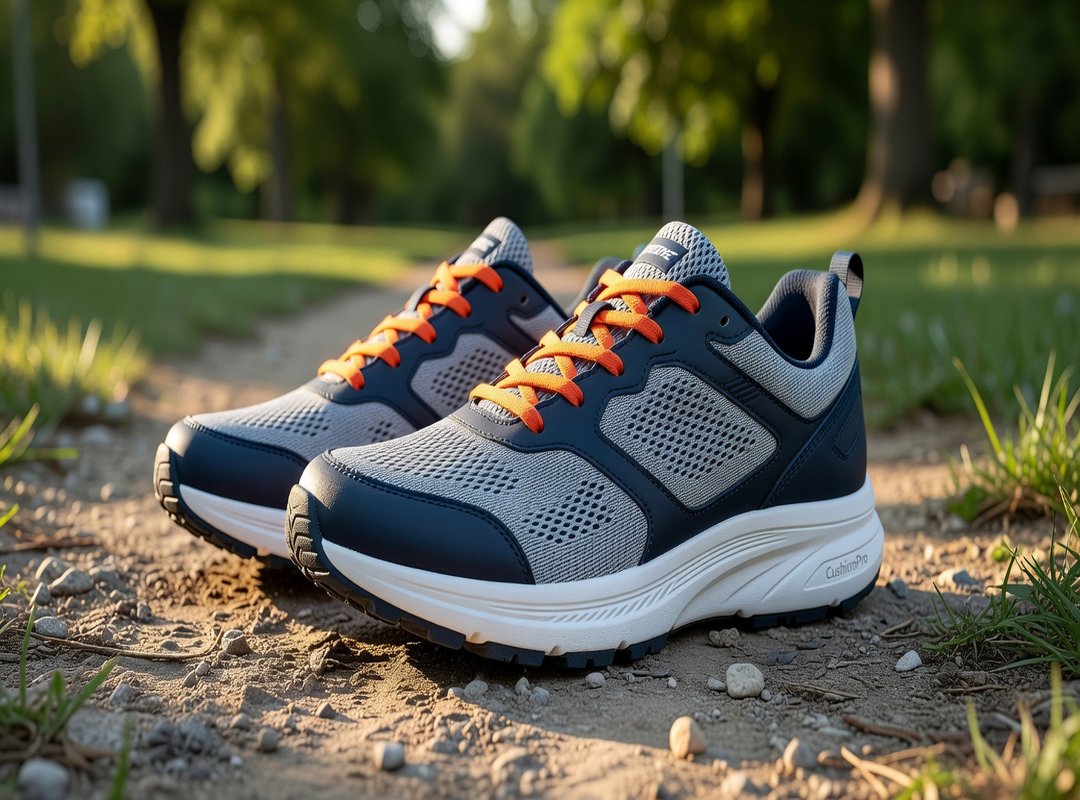
Is your footwear holding back your athletic performance? It’s time to rethink your shoes. Jogamesole isn’t just an accessory; it’s essential gear. Different sports need specific shoe tech for the best results and safety. This guide will help you pick the perfect game footwear for your needs.
Why Specialized Game Footwear is a Non-Negotiable for Athletes
Casual sneakers and Jogamesole performance footwear are worlds apart. Casual shoes are great for everyday wear, but they lack the features needed for sports. Proper athletic shoes are designed to keep you safe and help you perform at your best.
Ankle support is crucial in sports. High-top basketball shoes, for example, offer more support than low-profile running shoes. This extra support can prevent ankle sprains and other injuries. Shock absorption is another key feature. It helps reduce the impact on your joints, especially during high-impact activities like jumping and sprinting.
Sport-specific shoes also boost your performance. Basketball shoes have better traction, which means you won’t slip on the court. Running shoes, on the other hand, are lightweight and designed for speed. They give you that extra push with every step, thanks to their energy return technology.
Choosing the right footwear isn’t just about comfort. It’s about giving yourself a competitive edge and protecting your long-term health. Don’t skimp on quality. Invest in shoes that are made for your sport.
CHOOSING YOUR GAME FOOTWEAR: A SPORT-BY-SPORT BREAKDOWN
When it comes to picking the right shoes, I’ve learned a lot from my own experiences. Here’s a breakdown to help you choose the best Jogamesole for your sport.
Court Sports (Basketball, Volleyball, Tennis):
- Lateral support is key. You need shoes that keep your feet stable during side-to-side movements.
- Durable outsoles are a must. They give you the grip you need on hard surfaces.
- Responsive cushioning helps with all those jumps. It absorbs shock and keeps you light on your feet.
Field Sports (Soccer, Football, Lacrosse):
- Cleats are essential. They dig into the ground and give you the traction you need.
- Different stud patterns work for different surfaces. Firm ground cleats have longer studs, while turf cleats have shorter, more numerous ones.
- A snug fit is crucial. It helps with ball control and makes quick cuts easier.
Running (Track, Trail, Road):
- Cushioning matters. Neutral shoes are great for most runners, but if you overpronate, stability shoes can help.
- The heel-to-toe drop affects your running form. A lower drop can promote a more natural stride.
- Breathable uppers keep your feet cool and dry, especially on long runs.
Gym & Training (CrossFit, Weightlifting):
- A stable, flat base is important for lifting. It helps you stay balanced and grounded.
- Flexibility is also key. You need shoes that move with you during dynamic exercises.
- Durability is a must. High-intensity workouts can be tough on shoes, so make sure they can handle the wear and tear.
The Anatomy of Great Game Footwear: 5 Key Features to Inspect
When you’re on the hunt for the perfect pair of game shoes, it’s like finding a unicorn in a field of horses. Jogamesole and other brands throw around fancy terms, but let’s break it down into simple, snackable bits.
- The Outsole & Traction: Look at the tread patterns. They’re like the fingerprints of your shoes, designed for specific surfaces. If you’re playing on grass, you want cleats. For courts, go for a smoother, flatter sole. It’s all about not slipping and sliding like a penguin on ice.
- The Midsole & Cushioning: This is where the magic happens. EVA foam is light and bouncy, gel feels like walking on clouds, and air units are like little pillows under your feet. Pick the one that makes you feel like you’re floating, not dragging an anchor.
- The Upper & Materials: Mesh is great for breathability, like wearing a fan on your feet. Leather is tough and durable, perfect if you’re rough on your kicks. Knit uppers give you a sock-like fit, which is comfy but might not last as long. It’s a bit like choosing between a cozy sweater and a sturdy jacket.
- Fit & Sizing: Try on shoes in the afternoon when your feet are a bit swollen. Leave a thumb’s width of space at the toe. You don’t want your toes feeling like they’re in a vice grip or swimming in a pool.
- Support Features: Check out the heel counter and lacing system. A good heel counter keeps your foot from wobbling, and a solid lacing system locks your foot in place. It’s like having a personal security guard for your feet.
Choosing the right footwear, especially in sports, is more than just a matter of comfort; it’s a strategic decision that can significantly impact your performance and safety. The sport-specific design, the direct link between proper footwear and how well you play, and the critical features to evaluate are all key factors that should not be overlooked. By investing in the right game footwear, you are making a tangible investment in your athletic goals and setting yourself up for success.
Take a moment to assess your current shoes. Do they provide the support, traction, and fit that you need? Use the insights from this guide to make an informed choice that will elevate your game. Your feet—and your performance—deserve nothing less.