
You’re staring at the screen again.
It’s 3 a.m. Your back hurts. You skipped dinner.
You canceled plans. And you still haven’t logged off.
That’s not gaming anymore. That’s How to Get over From Game Overdertoza Addiction.
I’ve been there. So have dozens of people I’ve worked with (developers,) teachers, parents (all) saying the same thing: I just can’t stop clicking “one more match.”
This isn’t about willpower. It’s about how your brain got rewired without you noticing.
We used real behavioral science. Not theory. Not hype.
Actual patterns from people who broke free. And kept playing, just differently.
No quitting required. No shame. Just clear steps.
One at a time.
You’ll learn how to spot the triggers before they hijack your night.
How to reset your dopamine baseline without going cold turkey.
And how to rebuild real-world rewards that actually stick.
This works because it’s built on what people did (not) what experts said they should do.
You’re not broken. You’re conditioned.
Let’s undo that.
First, Understand Why You Can’t Just “Stop Playing”
I used to think willpower was the fix. Turns out, it’s not about discipline. It’s about dopamine loops, stress relief, and how your brain rewires itself over time.
“Game Overdertoza” isn’t slang. It’s real. And it’s not laziness.
It’s neurochemistry stacking up. Your brain learns: play = reward = relief = repeat. That’s not weakness.
That’s biology (and bad game design).
Modern games hook you in three ways. Dopamine hits from leveling up or loot drops. Escapism when real life feels overwhelming.
And that weird comfort of being part of something. Even if it’s just a Discord server at 2 a.m.
Does any of this sound familiar? – Do you lie about how much time you spend gaming? – Do you feel irritable or restless when you can’t play? – Do you skip meals, sleep, or hangouts to keep playing? – Do you promise yourself “just one more match”. Then lose six hours? – Do you feel shame after playing. But do it again tomorrow?
If two or more hit, you’re not broken. You’re responding to strong signals. That’s why Overdertoza exists.
Not as judgment, but as a map.
Understanding these hooks is step one. Not step zero. Not step five.
Step one. You can’t dismantle what you don’t name.
This isn’t about quitting cold. It’s about seeing the machinery. Then choosing—consciously.
What stays and what goes.
How to Get over From Game Overdertoza Addiction starts here. With clarity. Not shame.
With questions like “What am I really avoiding?” instead of “Why can’t I stop?”
You’ve already done the hardest part.
You asked.
Your Action Plan: Acknowledge, Analyze, Replace, Reinforce
I tried the “just stop cold turkey” thing. It lasted 37 hours.
That’s why I built this four-step system. Not magic. Just honest work.
Acknowledge
Write down exactly what gaming has cost you. Not “I waste time.” Say “I missed my sister’s birthday call because I was raiding in Overdertoza.”
Make it real. Make it specific.
If it feels uncomfortable. Good. That’s the point.
Analyze
Track your gaming time for one full week. Not just hours. when and why. Did you boot up right after a bad meeting?
At 10:15 PM on Tuesday because you couldn’t sleep? You’ll spot patterns fast. Boredom is the usual suspect (shocking, I know).
But stress and loneliness show up too. And yes. Can too much gaming overdertoza cause anxiety is real. I’ve seen it.
You’ve felt it.
Replace
Don’t wait to “figure something out” mid-craving. Pre-load alternatives. Right now.
A 10-minute walk. One episode of that true crime podcast. Push-ups while waiting for the microwave.
No grand plans. Just things you can start in under 60 seconds.
Reinforce
Set one tiny rule. “No Overdertoza after 10 PM on weeknights.”
Stick to it for five days. Then reward yourself (not) with more screen time. But with coffee from that place you like.
Or an old paperback. Or silence. Small wins build momentum.
Big promises break you.
How to Get over From Game Overdertoza Addiction isn’t about willpower. It’s about structure. It’s about choosing what shows up instead.
You don’t need a new personality.
You need a better plan.
Game Cravings: What Actually Works
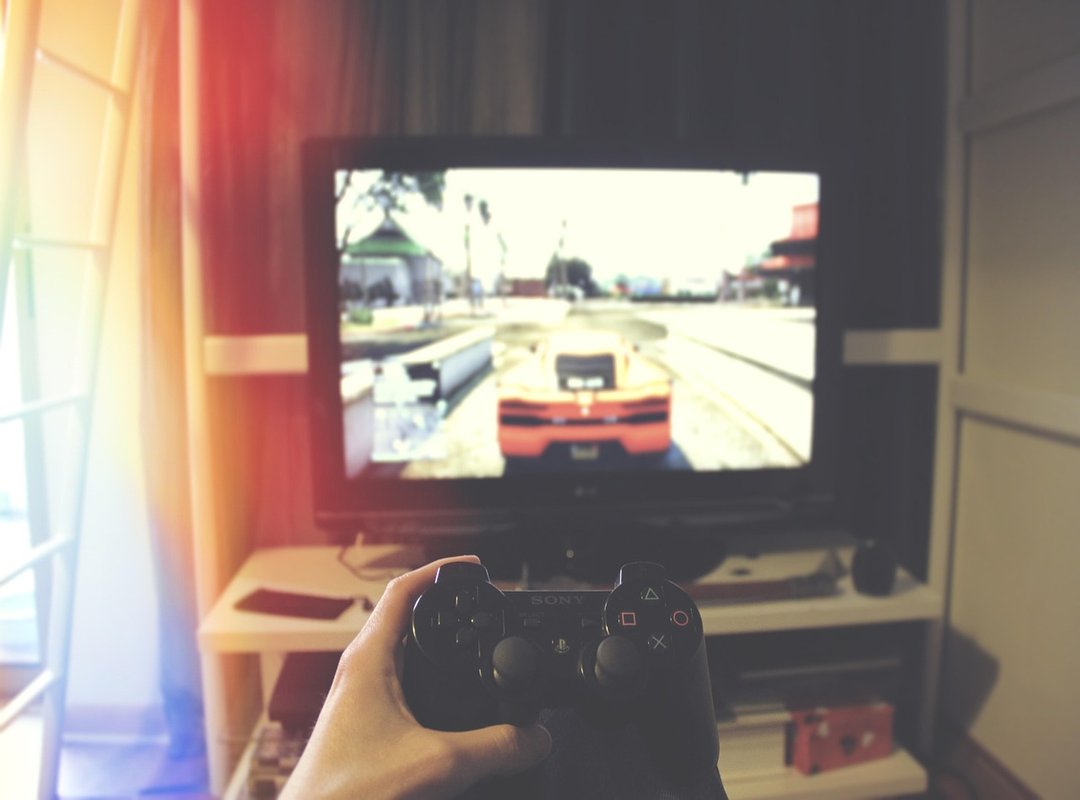
I used to keep my console in the bedroom. Woke up, grabbed the controller before coffee. That changed when I realized how much control the environment had over me.
Move the console out of the bedroom. Unplug it. Put it in a closet.
Make it inconvenient (not) impossible, just annoying enough to pause.
Same goes for your phone. Use a site blocker during work hours. Not “maybe”.
Set it and forget it.
Here’s the 5-Minute Rule: when the urge hits hard, promise yourself you’ll do anything else for five minutes. Walk. Wash a dish.
Text a friend. Don’t argue with the craving. Just delay it.
Most of the time, it fades. If it doesn’t? You’ve still bought breathing room.
Scheduling isn’t boring. It’s armor. Block 60 minutes on your calendar before you play.
Not “whenever I feel like it.” Not “after I finish this one thing.”
Fixed time. Fixed length. That turns gaming from a reflex into a choice.
Gaming fills real needs. Achievement? Try learning guitar chords (no) score, just progress.
Social connection? Join a hiking group. Not Discord.
Real people. Stress relief? Ten minutes of push-ups or box breathing.
You don’t replace one habit with nothing. You replace it with something that serves you better.
Does that sound unrealistic? Try it for three days. Then ask yourself what felt harder (the) craving, or the first step.
The real shift happens when you stop fighting the urge and start changing the conditions around it.
This is how to get over from game Overdertoza addiction. It’s not about willpower. It’s about design.
If you’re stuck in the loop (where) gaming feels automatic and exhausting. Check out Overdertoza. It’s not another checklist.
It’s a reset.
You’re Not Stuck. You’re Just Unplugged.
I’ve been where you are. Staring at the screen long after my body begged me to stop. Feeling like the game had more say in my day than I did.
That’s why this isn’t about willpower.
It’s about How to Get over From Game Overdertoza Addiction. Step by step, no fluff, no shame.
You already have the 4-step system. It works because it doesn’t ask you to quit cold. It asks you to reclaim one hour.
One choice. One breath.
This isn’t punishment. It’s not deprivation. It’s choosing you over the dopamine loop (slowly,) daily, without fanfare.
So what’s your move? Right now (not) tomorrow. Pick one thing from the article.
Uninstall that one game from your phone. Write down the trigger you notice most. Say it out loud: “I’m pausing here.”
That’s how control starts. Small. Real.
Yours.
You didn’t come here for theory.
You came because you’re tired of feeling hijacked.
Do the one thing.
Now.
Then come back when you’re ready for step two.

 Gustavo Rutthersite writes the kind of esports tournament updates content that people actually send to each other. Not because it's flashy or controversial, but because it's the sort of thing where you read it and immediately think of three people who need to see it. Gustavo has a talent for identifying the questions that a lot of people have but haven't quite figured out how to articulate yet — and then answering them properly.
They covers a lot of ground: Esports Tournament Updates, Latest Gaming News, Expert Insights, and plenty of adjacent territory that doesn't always get treated with the same seriousness. The consistency across all of it is a certain kind of respect for the reader. Gustavo doesn't assume people are stupid, and they doesn't assume they know everything either. They writes for someone who is genuinely trying to figure something out — because that's usually who's actually reading. That assumption shapes everything from how they structures an explanation to how much background they includes before getting to the point.
Beyond the practical stuff, there's something in Gustavo's writing that reflects a real investment in the subject — not performed enthusiasm, but the kind of sustained interest that produces insight over time. They has been paying attention to esports tournament updates long enough that they notices things a more casual observer would miss. That depth shows up in the work in ways that are hard to fake.
Gustavo Rutthersite writes the kind of esports tournament updates content that people actually send to each other. Not because it's flashy or controversial, but because it's the sort of thing where you read it and immediately think of three people who need to see it. Gustavo has a talent for identifying the questions that a lot of people have but haven't quite figured out how to articulate yet — and then answering them properly.
They covers a lot of ground: Esports Tournament Updates, Latest Gaming News, Expert Insights, and plenty of adjacent territory that doesn't always get treated with the same seriousness. The consistency across all of it is a certain kind of respect for the reader. Gustavo doesn't assume people are stupid, and they doesn't assume they know everything either. They writes for someone who is genuinely trying to figure something out — because that's usually who's actually reading. That assumption shapes everything from how they structures an explanation to how much background they includes before getting to the point.
Beyond the practical stuff, there's something in Gustavo's writing that reflects a real investment in the subject — not performed enthusiasm, but the kind of sustained interest that produces insight over time. They has been paying attention to esports tournament updates long enough that they notices things a more casual observer would miss. That depth shows up in the work in ways that are hard to fake.