
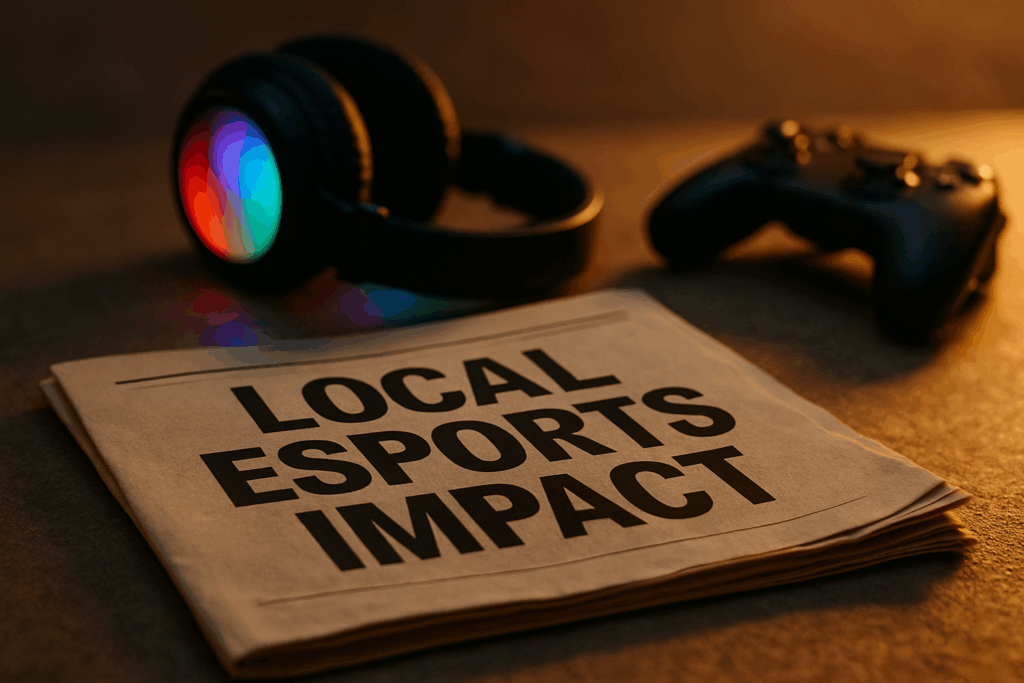
Why Regional Teams Still Matter in 2026
Local Infrastructure: The Bedrock of Global Competition
Regional teams thrive on the strength of their local ecosystems. These foundational structures include everything from training facilities and coaching staff to region specific leagues and tournaments. Without robust local support, international success becomes unsustainable.
Dedicated training grounds and team houses build discipline
Region specific leagues provide consistent competition
Coaching pipelines evolve talent at every level
These localized systems ensure that teams are not only prepared mechanically, but also culturally aligned with their region’s identity and playstyle.
Regional Metas: A Defining Influence on Global Play
Each region develops its own ‘meta’ a shorthand for shared strategies, champion picks, and pacing preferences. These playstyles are shaped by regional scrim cultures, dominant personalities, and even server latency. When these metas clash internationally, the results reshape how the game is played at the highest level.
Korean discipline vs. Western aggression
China’s fast paced skirmishing vs. EU’s macro control
NA’s recent hybrid adopts traits from multiple regions
As regions innovate and adapt, their strategies contribute to the evolution of what becomes the “global meta.”
From Grassroots to Greatness: The Talent Development Arc
Behind every top tier international player is a story of regional growth. Talent rarely skips steps most championship winners started in regional circuits or academy rosters before earning their international spotlight.
Local tournaments and solo queue ladders reveal rising stars
Regional orgs nurture these prospects through structured development
Success stories fuel regional pride and motivate the next generation
Ultimately, regional teams aren’t just stepping stones they’re proving grounds. They continue to matter because they build the players, styles, and rivalries that keep international esports dynamic and deeply rooted in community.
Cross Regions, Cross Styles
Esports isn’t just about who clicks heads fastest. It’s about how teams think, move, and adapt and that varies wildly depending on where they’re from. Geography and culture shape how strategies are built. Korean teams lean into clinical precision and grinding discipline. North America chases individual flair. Europe brings layered macro games, while Southeast Asia often thrives on chaos and improvisation. None of these styles are right or wrong they’re just different ways to crack the same tactical code.
Shotcalling is another battlefield of contrast. Some regions centralize it a single in game leader directing traffic. Others prefer more democratic setups, where every player has a say. That impacts how teams rotate, commit to objectives, reset after losses. Even practice culture shifts the tone 10 hours of rigid scrims in Seoul won’t look like a bootcamp in Berlin or São Paulo.
Because of this diversity, the international stage becomes a laboratory. Regional teams introduce fresh strategies that catch even veterans off guard. Whether it’s an oddball jungle path, a new split push comp, or tempo windows no one saw coming local quirks sometimes become global standards. The meta doesn’t just evolve; it gets redefined tournament by tournament, shaped by the minds bold enough to break the mold.
The Talent Pipeline
Regional leagues are more than just warm up rounds or feeder programs they’re the backbone of global esports. This is where raw talent sharpens its edge, where future MVPs learn the grind, pressure, and discipline that won’t show up on stat sheets. These leagues provide match experience, coaching infrastructure, and, most importantly, visibility in front of scouts and orgs that matter.
Look at players like Kei “Voltage” Tanaka, who started in Japan’s minor circuit and ended up headlining for an international top five squad. Or Lúcio “Drift” Ferraz, once overlooked in Brazil’s second tier scene, now a clutch player with global trophies under his belt. These aren’t flukes. They’re signs that structured, regional level competition works.
Homegrown development doesn’t just build skill it builds trust, chemistry, and long term cohesion. Importing talent can deliver quick wins, but it doesn’t always bring synergy. Regional players, raised in the same meta, coached in systems tuned to their strengths, often outperform pricier imports in pressure moments. Simply put, you can’t fast track experience.
The real pipeline isn’t a shortcut it’s a ladder. And the most stable ladder is still built region by region.
Rivalries That Redefine Esports

Regional rivalries have always been fuel for the fire. Think LCK vs. LPL, NA vs. EU, or Brazil vs. LATAM in various titles these aren’t just matchups, they’re statements. Fans don’t just follow teams; they follow regions, histories, even grudges. And that loyalty runs deep.
These rivalries shape more than just win loss records. When two storied regions clash, the stakes go beyond the bracket. There’s pride on the line national, cultural, often personal. Regional matchups bring a familiar punch to international stages. They provide context, texture, history. We know the narratives before the match even loads: revenge, redemption, supremacy. All of it amps up engagement.
The emotional weight? That’s what sticks. A home team upset at an international event feels like a gut punch. A long awaited win over a dominant region can set off a fan explosion both online and IRL. These rivalries forge identity around teams and games, serving as emotional glue that keeps fans coming back, season after season.
Power Rankings in Flux
For years, Korea (KR) and China (CN) dominated global esports especially in League of Legends. But 2026 is looking different. The power gap is shrinking, fast. In this year’s Worlds, it wasn’t just KR and CN fighting for the crown. Teams from regions historically labeled as ‘underdogs’ like Brazil (BR), Turkey (TR), and the Pacific Championship Series (PCS) showed up ready to throw punches, and some landed hard.
These teams aren’t just riding hype. They’re upgrading infrastructure, pulling in smart coaching staff, and building lineups that stay together longer. That stability is paying off with smoother teamplay and smarter macro decisions, even when the mechanical skill gap remains.
More importantly, fans are noticing. Regional champs are no longer cannon fodder in the group stages they’re making it out, and they’re doing it with style. Plays are crisp, drafts are bold, and the confidence is real. If the trend continues, 2027’s narrative may not be about overtaking KR or CN anymore it might be about living in a more even playing field where anyone has a shot.
For more on who stood out most this year, check out Top Performers at the 2026 League of Legends World Championship.
The Bigger Picture
Regional teams don’t just shape strategy they keep the lights on. The financial backbone of esports isn’t centered in glamorous global stage wins; it’s in regionally rooted ecosystems. Local orgs bring in revenue through everything from mid tier sponsorships and community driven merch to streaming deals tailored to specific languages and time zones. When a local favorite hits the playoffs, thousands show up online and in person to tune in or buy in.
Broadcast rights are starting to mirror traditional sports. Regional leagues are getting their own distribution deals, splitting broadcasts across platforms that cater to specific audiences. Sponsors follow where the eyeballs are, and fan loyalty runs deep when there’s a team tied to your city, your country, your culture.
And this isn’t just sentiment it’s sustainability. Regional fanbases create active ecosystems that don’t rely solely on world championships or international exposure. Strong local scenes generate their own demand, giving orgs breathing room to grow talent, test new structures, and build enduring brands. Without them, the global stage would collapse under its own weight.
Looking Forward
By 2027, expect the spotlight to shift beyond the historically dominant KR (Korea) and CN (China). Regions like LATAM and MENA are building serious momentum not just with raw talent, but with better infrastructure, org backing, and fan perseverance. SEA is also sharpening its edge, leaning into aggressive mechanical play and deep solo queue talent pools.
Global organizations can’t afford to ignore how regional teams operate. The hustle and flexibility of these teams often working on tighter budgets and with leaner support staff have created efficient systems for scouting, training, and content development. North America especially, with its franchise heavy approach, has lessons to learn from the bootstrapped grind of Tier 2 scenes in other regions.
But there will be friction, too. As global ambitions grow, there’s tension between centralized control and localized innovation. Some orgs will try to standardize brand and strategy across multiple regions. Others will embrace local flavor and let each house run free. Success will come to those who know when to unify and when to step back. Regional DNA matters and in many cases, it’s the secret weapon.
2027 won’t be about who has the best headquarters. It’ll be about who can scale local strength into global excellence, without losing the sauce along the way.