
AAA Studios Going Live Service Heavy
The live service model isn’t just a trend anymore it’s the new status quo for AAA titles. Major franchises are pivoting hard, with studios baking in multi year content roadmaps before the base game even drops. Seasonal events, battle passes, narrative expansions, and limited time modes are now part of the core gameplay loop, not optional extras. The goal? Keep players engaged long enough to build habits and make microtransactions feel less intrusive.
These constant content injections work. Players stick around, logs stay full, and studios get regular feedback loops. But the model comes with a catch: fatigue. Playing a game can start to feel like a second job. Burnout is real, especially when rewards are gated behind aggressive grind schedules. Some studios are adapting. We’re seeing more flexible progression systems, clearer breaks between seasons, and even offline story content that respects a player’s time.
The momentum behind live service isn’t slowing, but the smarter studios are learning that longevity comes not just from updates but from knowing when to let players breathe.
Cross Platform Play Becomes the Norm
What was once a selling point has now become a baseline: if your game in 2026 doesn’t play nice across console, PC, and mobile, players notice and bounce. Gamers have made it clear: they expect to pick up where they left off, no matter what device they’re on. Studios are listening. Cross save, cross progression, and cross chat are baked into more major titles than ever.
Behind the scenes, developers are untangling some serious challenges. Balancing gameplay across wildly different hardware takes finesse. Input types keyboard, controller, touchscreen demand tuned experiences that don’t shortchange any group. Studios are leaning into dynamic scaling systems, adaptive matchmaking, and hardware specific optimizations to even the field.
But the biggest win? The friction is disappearing. Friends on different systems can squad up without dealing with third party workarounds. It’s clean, it’s expected, and increasingly, it’s non negotiable.
AI Powered Game Design Hits the Mainstream
Artificial intelligence is no longer hanging out on the sidelines it’s building levels, writing dialogue, and shaping whole quest lines in real time. Procedural content is getting smarter. NPCs don’t just loop generic lines they react, adapt, and sometimes feel eerily human. Even smaller studios are leaning in, using AI to stretch limited resources into full blown experiences that would’ve taken massive teams years to build.
The upside? Faster iteration, deeper immersion, and gameplay that reacts instead of just delivering. Dynamic narratives now mean storylines change based on how you play, not just which dialogue option you pick. It’s helping indies go toe to toe with triple A studios on creativity alone.
But it’s not all boost and no brakes. There are real ethical knots to untangle like whether AI generated assets are displacing human artists, or who owns content created with AI help. Studios are starting to grapple with transparency: flagging what’s AI built and ensuring creators still have jobs in a world full of code that writes code.
This isn’t the future of game design. It’s the now. And it’s rewriting the rulebook.
Cloud Gaming Finally Delivers

Cloud gaming has long promised console quality experiences without the need for high end hardware. In 2026, that promise is finally being fulfilled especially in Tier 1 regions, where infrastructure is strong and internet speeds are consistent.
Lag Is (Mostly) a Thing of the Past
Tech improvements and smarter server distribution have nearly eliminated latency issues in top regions. This delivers:
Seamless gameplay in real time
Competitive viability for fast paced titles
Wider accessibility for gamers without top tier rigs
Hardware? Optional Not Essential
As cloud platforms grow, hardware becomes less critical. Gamers are embracing:
Browser and app based access across devices
Affordable subscription tiers with instant game libraries
Controller agnostic interfaces
This levels the playing field, giving more players instant access to flagship games without major investments.
The Developer Shift: Cloud First Optimization
Game studios are recalibrating development strategies:
Prioritizing cloud responsiveness and scalability
Designing user experiences that perform across bandwidth ranges
Testing early builds directly through cloud platforms
With monetization now tied to playtime and platform partnerships, performance in the cloud isn’t a side concern it’s the launch priority.
Cloud gaming in 2026 is more than just playable it’s becoming the standard user expectation.
The Creator Economy Is Redefining Game Marketing
Influencer marketing isn’t a side hustle in 2026 it’s baked into game development from the jump. Studios are pulling in streamers and content creators during beta phases, sometimes even earlier, to shape feedback loops and generate buzz before trailers even drop. For players, this creates a pipeline of transparency. For streamers, it’s a fast track to relevance in competitive genres.
In game collabs are also scaling up. We’re not just talking sponsored skins or promo codes. Entire characters, quest lines even story arcs are being built around creator personas. These integrations drive watchability and replayability, putting influencers at the heart of the gameplay experience.
Meanwhile, user generated content is giving older titles a second wind. Modding tools and creator kits are being released by studios not out of generosity, but necessity. It’s cheaper than building new expansions and keeps communities engaged. Games that should’ve peaked in 2022 are still getting thousands of daily logins thanks to new user made maps, cosmetics, and lore twists.
Explore more in depth: latest video game updates.
Retro Look, Next Gen Feel
Pixel art and low poly visuals aren’t going anywhere in fact, they’re thriving. Not as a fallback, but by design. Developers in 2026 are pairing retro aesthetics with ultra fluid animation, responsive controls, and modern gameplay systems. It’s not about looking old school for the sake of it. It’s about contrast: nostalgic styles matched with tech that didn’t exist when those styles first showed up.
Gen Z and Gen Alpha gamers are driving this trend hard. To them, early PlayStation textures or SNES style sprites are aesthetic choices, not limitations. These are generations raised on irony, remix culture, and TikTok filters. A blocky avatar in a procedurally generated world? That’s not primitive it’s authentic.
Smart studios are catching on. They’re blending the warmth of analog era design with innovations like AI driven animation smoothing, 120fps frame caps, even neural upscaling for 2D art. The vibe is vintage, but the experience is sharp. The past never looked this good.
Gamers Start Demanding More Transparency
Transparency is no longer a bonus in game development it’s an expectation. In 2026, players are holding studios accountable like never before, reshaping how publishers monetize, communicate, and care for their communities.
Growing Resistance to Predatory Monetization
Gamers have grown increasingly vocal about exploitative tactics, particularly loot box mechanics, pay to win models, and surprise content fees. This collective pushback is pressuring developers to rethink their approach.
Loot boxes are being phased out or replaced with clear value alternatives
Players now carefully audit in game economies before investing
Legal discussions around gambling mechanics continue in multiple regions
Crowdsourced Ratings Disrupt Traditional Review Models
Community powered platforms are becoming a force in shaping a game’s reputation and longevity.
Peer review tools like Steam tags and OpenCritic lists carry more influence than ever
Gamers are actively downvoting titles with poor monetization practices
Developers must now consider long term community perception not just launch hype
Wellness Oriented Game Features on the Rise
With concerns around screen time and burnout growing, studios are integrating tools that prioritize the player’s mental and physical balance.
Built in reminders encouraging breaks during long sessions
Customizable session timers and parental control setups
Mood tracking and adaptive difficulty in games aimed at broader audiences
More than a trend, this shift toward transparency reflects a growing maturity in gaming culture one where players expect respect, not manipulation.
Where It’s Headed
Gaming is no longer just games. It’s infrastructure. The big titles are morphing into social networks with chat, commerce, content creation, and live events baked into the experience. Roblox, Fortnite, and even Minecraft aren’t just playgrounds they’re platforms where users build, sell, and hang out. Players aren’t just passing through; they’re living there.
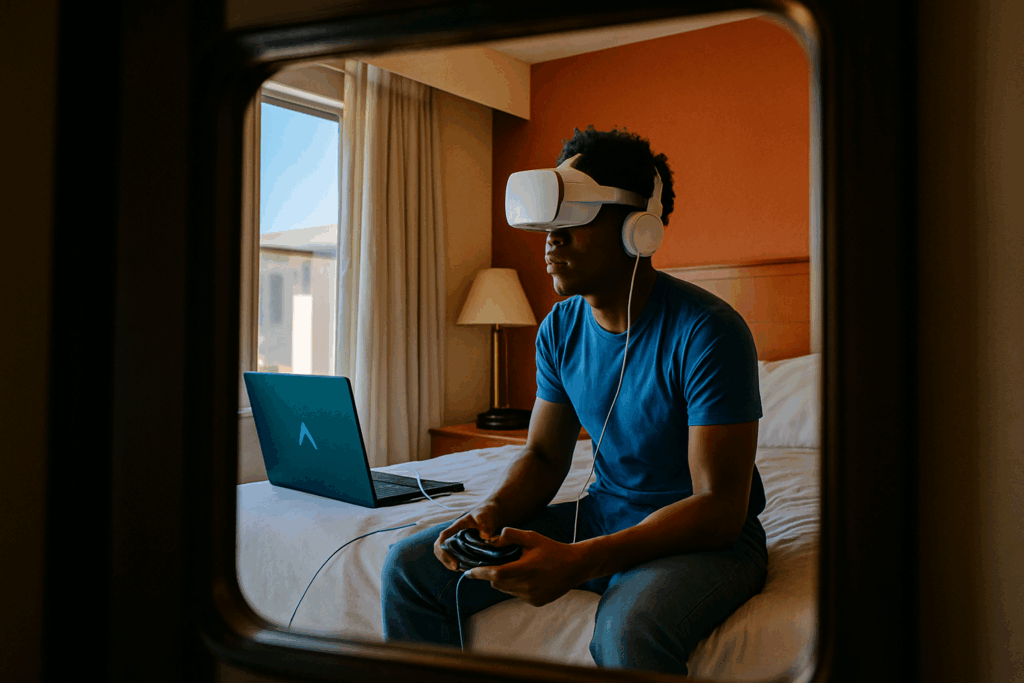
VR is tagging along for the evolution but doing more than just replicating flat screen hits in 3D. Native VR experiences custom built, immersive from the ground up are finally delivering on the long promised depth. We’re seeing tighter controller integration, spatial storytelling, and social interactions that don’t just feel like clunky simulations of reality.
The kicker? 2026 isn’t about choosing digital or physical it’s about merging both. AR headsets blending IRL and game worlds, live events streamed into virtual hub spaces, physical merch unlocking digital perks (and vice versa). Games are setting the tone for a full spectrum media future where borders blur.
Stay updated with the shifts: latest video game updates.