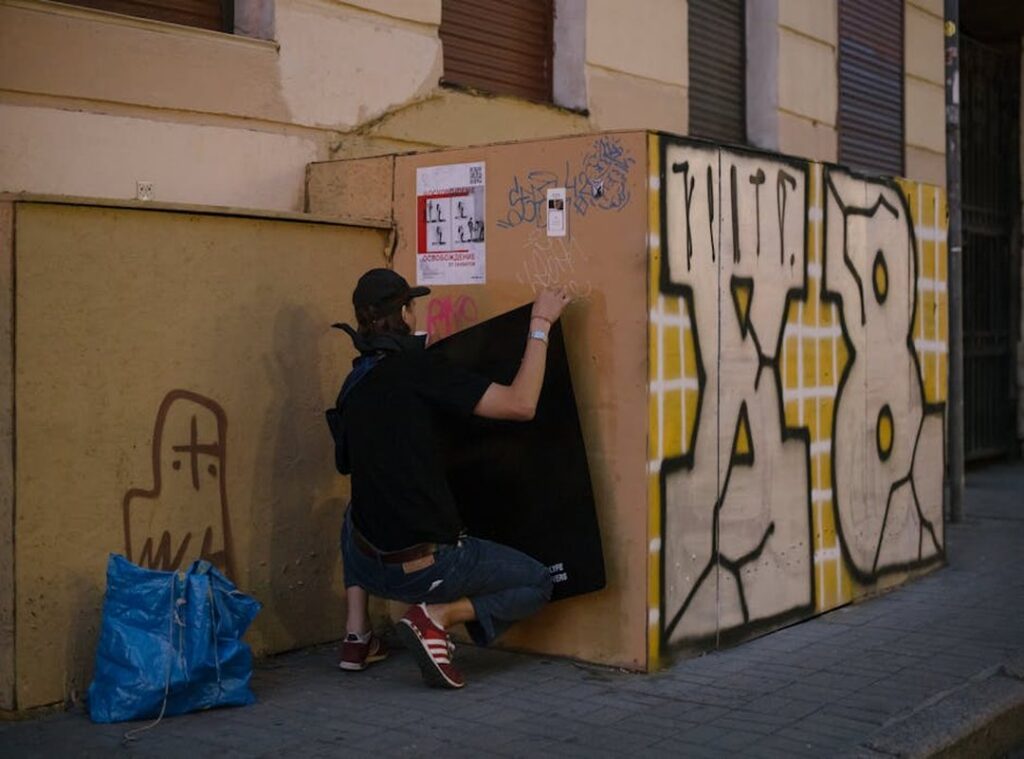
Street art graffiti is a powerful form of expression. It’s not just about spray paint and walls. It’s about making a statement, telling a story, and leaving your mark on the world.
Many aspiring artists struggle with mastering the basics. Finding reliable, high-quality tutorials can be tough, and that’s why I’m here to help.
This guide offers step-by-step tutorials and insights. Whether you’re a beginner or an experienced artist, you’ll find something useful. Callejero graffitis faciles are a great starting point.
They’re simple yet impactful.
I’ve been in the field for years, and i know what works and what doesn’t. You can trust that the advice here is practical and actionable.
Let’s dive in and create some impressive street art.
Understanding Street Art Graffiti
Street art graffiti is a form of visual expression that’s been around for decades. It’s not just random scribbles; it has deep cultural significance.
Definition and History:
Graffiti started as a way for people to mark their territory or express themselves in public spaces. Over time, it’s evolved into a recognized art form with its own styles and techniques.
Types of Graffiti:
There are several types of graffiti, each with its own unique style. Tags are simple, stylized signatures. Throw-ups are more complex, usually involving bubble letters and two colors.
Murals are large, detailed artworks that can cover entire walls.
If you’re interested in trying your hand at street art, start with something simple. Callejero graffitis faciles are a great way to begin. They’re easy to create and can help you get a feel for the medium.
Pro Tip: Always practice on paper first. Get comfortable with your designs before you take them to the streets.
Essential Tools and Materials
Spray Paint: Types, brands, and how to choose the right one. There’s a lot of debate about which brand is the best, but it often comes down to personal preference and the specific project you’re working on.
Markers and Pens: Essential for outlining and detailing. I’ve found that different projects require different types of markers, so it’s good to have a variety on hand.
Stencils and Templates: How to create and use them effectively. Stencils can be a game-changer, especially if you’re into callejero graffitis faciles. They help you get those clean, sharp lines without freehand stress.
Protective Gear: Safety equipment and why it’s important. Let’s be real, safety isn’t always the most exciting part, but it’s crucial. You don’t want to end up with a nasty chemical burn or respiratory issues.
| Tool | Purpose | Why It Matters |
|---|---|---|
| Spray Paint | Coloring and covering surfaces | Quality paint makes a huge difference in the final look |
| Markers and Pens | Outlining and adding details | Sharp, clean lines make your work stand out |
| Stencils and Templates | Creating consistent, repeatable designs | Helps with precision and saves time |
| Protective Gear | Safety from chemicals and dust | Keeps you healthy and able to keep creating |
Choosing the right tools can feel overwhelming, but it doesn’t have to be. Start with what you need for your current project and go from there.
Basic Techniques for Beginners
How to Hold a Spray Can: Proper grip and technique.
Holding a spray can might seem simple, but it’s crucial to get it right. Grip the can with your dominant hand, placing your index finger on the nozzle. This gives you better control and precision.
Basic Strokes and Lines: Practicing straight lines, curves, and fills.
Start by practicing basic strokes, and straight lines are the foundation. Try to keep them steady and consistent.
Curves come next, and they add fluidity to your work. Fills are all about even coverage.
Practice on a large surface to get the feel of it.
Creating Simple Tags: Step-by-step guide to making your first tag.
Once you’ve got the basics down, it’s time to create your first tag. Choose a simple design, and sketch it out on paper first.
Then, transfer it to your chosen surface. Start with the outline, then fill in the details.
Callejero graffitis faciles are a great way to start. They’re simple, yet effective, and you can build your skills from there.
Remember, practice makes perfect. Don’t be too hard on yourself if it doesn’t look great at first. It takes time and patience.
Advanced Techniques for Experienced Artists
Layering and blending are essential for creating depth and texture. Start with a base layer, then add more layers, gradually building up the colors and details. This technique can make your artwork look more three-dimensional and realistic.
Using stencils is another powerful tool. For detailed work, try callejero graffitis faciles. These stencils can help you create intricate patterns and designs with precision.
Just make sure to hold the stencil firmly in place and use a light touch to avoid smudging.
Creating murals requires careful planning, and sketch out your design on paper first. Then, transfer it to the wall using a grid or projector.
This helps ensure that your proportions and details are accurate.
Choose the right materials. High-quality paints and brushes will make a big difference in the final result. Don’t skimp on this.
It’s worth investing in good tools.
Finally, take your time. Large-scale projects can be overwhelming, but breaking them down into smaller, manageable sections makes the process easier. And remember, practice makes perfect.
Keep experimenting and refining your techniques.
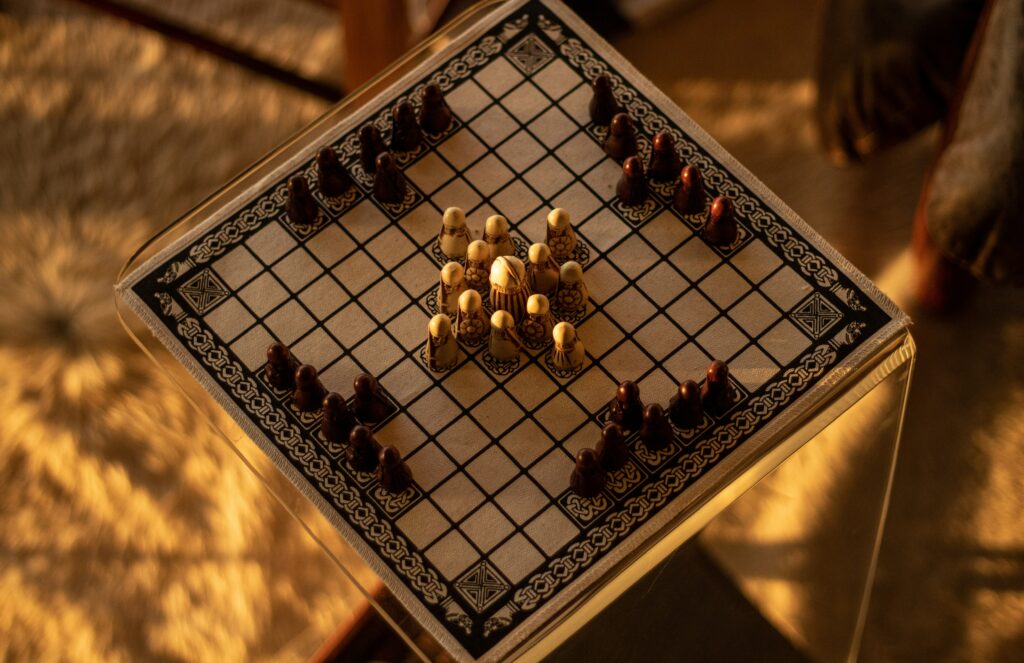
If you’re looking for inspiration, check out some classic puzzle games. They often have beautiful, intricate designs that can spark new ideas. (For example, this review of a classic puzzle game might give you some creative insights.)
Choosing the Right Surface and Location
Start with an anecdote about a time I almost got in trouble for painting on a surface I shouldn’t have. I was working on a callejero graffitis faciles one night, and just as I was finishing up, a car pulled up. It turned out to be a local artist who was more curious than angry.
We ended up chatting for a while, and he gave me some great tips.
When it comes to surface selection, different surfaces can make or break your artwork.
Concrete is durable and can handle a lot of paint.
Metal, on the other hand, requires a bit more prep work but can give you a smooth, shiny finish.
Wood is another option, but it’s more prone to weathering and peeling.
Location considerations are just as important.
You need to think about legal and ethical issues.
Always check if you have permission to paint in a particular spot.
It’s not just about avoiding fines; it’s about respecting the community and the space.
Sometimes, the best spots are in less obvious places.
An old, abandoned building might seem perfect, but it could also be a safety hazard.
Consider the impact of your art on the environment and the people around it.
By choosing wisely, you can create something that adds value and beauty to the area.
Practice and Improvement
Consistent practice is crucial for improvement. It’s like callejero graffitis faciles—without regular effort, you won’t see the results.
But why is it so important, and simple. Regular practice helps build muscle memory and refine your skills over time.
Now, let’s talk about feedback. Getting and using feedback can be a game-changer. It’s not just about hearing what others think; it’s about using that input to get better.
So, how do you get good feedback, and ask people whose opinions you trust. Be open to their critiques.
And don’t take it personally, and it’s all about growth.
What’s next, and once you have that feedback, apply it. Try new techniques, tweak your approach, and see what works.
Remember, improvement is a journey, and it takes time and effort. But with consistent practice and a willingness to learn, you’ll see progress.
Inspiration and Creativity
Finding inspiration can be tough. Some people say it’s all about waiting for that spark to hit you. But let’s be real, if you wait around for inspiration, you might be waiting forever.
I believe in actively seeking out sources of inspiration. It could be as simple as taking a walk, reading a book, or even checking out callejero graffitis faciles. The key is to keep your mind open and ready to absorb new ideas.
Developing your style is another story. A lot of folks think you need to copy the greats to find your own voice. Sure, learning from others is important, but it’s not the whole picture.
You need to experiment and take risks. Try different techniques, mix up your tools, and don’t be afraid to make mistakes. That’s how you discover what works for you and what doesn’t.
Some argue that having a unique style isn’t necessary. They say it’s more about the quality of your work. Quality is crucial, no doubt.
But having a recognizable style can set you apart and make your work memorable.
So, how do you balance both? Focus on honing your skills while also pushing the boundaries of your creativity. Stay curious, stay inspired, and most importantly, stay true to yourself.
Elevate Your Street Art Graffiti Skills
Recap the key techniques and tips covered in the article. These include understanding the basics of spray can control, mastering different styles, and learning how to blend colors effectively.
Consistent practice and creativity are crucial in mastering callejero graffitis faciles. Experiment with new ideas and techniques regularly.
Start practicing and experimenting with the techniques learned. The more you practice, the better you’ll get.

 Gustavo Rutthersite writes the kind of esports tournament updates content that people actually send to each other. Not because it's flashy or controversial, but because it's the sort of thing where you read it and immediately think of three people who need to see it. Gustavo has a talent for identifying the questions that a lot of people have but haven't quite figured out how to articulate yet — and then answering them properly.
They covers a lot of ground: Esports Tournament Updates, Latest Gaming News, Expert Insights, and plenty of adjacent territory that doesn't always get treated with the same seriousness. The consistency across all of it is a certain kind of respect for the reader. Gustavo doesn't assume people are stupid, and they doesn't assume they know everything either. They writes for someone who is genuinely trying to figure something out — because that's usually who's actually reading. That assumption shapes everything from how they structures an explanation to how much background they includes before getting to the point.
Beyond the practical stuff, there's something in Gustavo's writing that reflects a real investment in the subject — not performed enthusiasm, but the kind of sustained interest that produces insight over time. They has been paying attention to esports tournament updates long enough that they notices things a more casual observer would miss. That depth shows up in the work in ways that are hard to fake.
Gustavo Rutthersite writes the kind of esports tournament updates content that people actually send to each other. Not because it's flashy or controversial, but because it's the sort of thing where you read it and immediately think of three people who need to see it. Gustavo has a talent for identifying the questions that a lot of people have but haven't quite figured out how to articulate yet — and then answering them properly.
They covers a lot of ground: Esports Tournament Updates, Latest Gaming News, Expert Insights, and plenty of adjacent territory that doesn't always get treated with the same seriousness. The consistency across all of it is a certain kind of respect for the reader. Gustavo doesn't assume people are stupid, and they doesn't assume they know everything either. They writes for someone who is genuinely trying to figure something out — because that's usually who's actually reading. That assumption shapes everything from how they structures an explanation to how much background they includes before getting to the point.
Beyond the practical stuff, there's something in Gustavo's writing that reflects a real investment in the subject — not performed enthusiasm, but the kind of sustained interest that produces insight over time. They has been paying attention to esports tournament updates long enough that they notices things a more casual observer would miss. That depth shows up in the work in ways that are hard to fake.