Positioning: The Ground Game
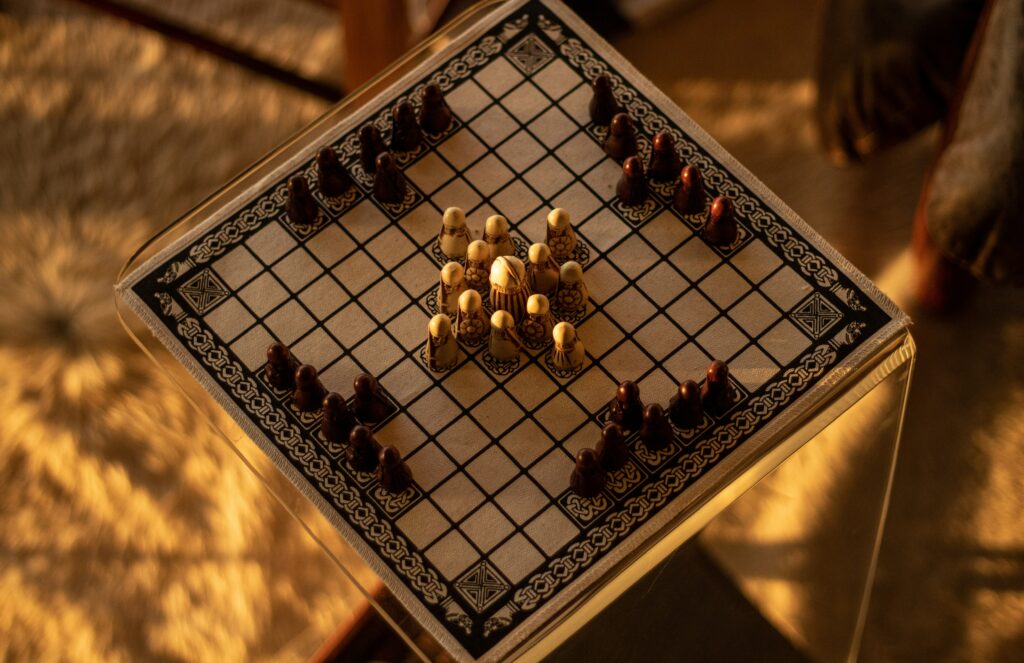
Brute force works until it doesn’t. Any seasoned RPG player knows that raw damage won’t save you if you’re surrounded, outflanked, or stuck in a choke point. Placement is power. Controlling where the fight happens often matters more than how hard you hit. Smart movement means minimizing damage taken and maximizing outputs with less effort.
Flanking isn’t just tactical flair it’s a multiplier. Catching enemies from the side or rear often bypasses defenses or turns a tough brawl into a quick win. Same with taking the high ground. Vertical advantage boosts range, line of sight, and sometimes even crit chances. Plus, enemies waste movement getting to you, giving you extra turns without return fire.
Then there’s funneling. Forcing enemies into tight paths or chokepoints turns a swarm into a single file line. Your AOE spells hit max value, your melee tanks hold steady, and your squishies get breathing room.
Terrain is terrain, sure. But in the hands of a focused player, it’s another weapon and it doesn’t run out of ammo.
Turn Economy: Make Every Action Count
In tactical RPG combat, time is a resource as critical as health or mana. Don’t just sit and watch the turn timeline unfold work it. Smart players use delay actions to shift initiative, interrupts to stop high impact enemy casts, and chain abilities to extend their own momentum. Combat isn’t a queue it’s a controllable sequence.
Action economy defines whether your team trades well or falls behind. Sometimes, the move is slow and methodical stacking defensive buffs, pulling enemies into choke points. Other times, it’s burn everything in one clean burst to down a boss phase or disrupt an elite unit. Knowing when to hold and when to unleash is what separates improvisers from tacticians.
Support roles shine here not by dealing damage, but by supercharging your team’s timing. Think speed boosts, turn gauge manipulation, cooldown resets. A good support doesn’t just keep the squad alive they keep the squad efficient. If you’re wasting actions, you’re already behind.
Crowd Control Supremacy
Crowd control (CC) isn’t just about annoying the enemy it’s about shaping the fight on your terms. Whether you’re locking down a boss or thinning waves of adds, knowing when to apply hard CC like root, stun, or fear is key. Roots hold enemies in place but still allow them to act. Stuns shut them down completely. Fear can scatter crowds, buying breathing room or creating chaos. Use the right tool based on what you’re up against. A stunned healer is dead weight. A feared berserker is temporarily neutered. But sometimes, the best move is skipping CC entirely if burning them down fast avoids the need altogether.
Layering CC with damage amps up the control. Stun before a multi hit combo or pin enemies in AoE zones. This isn’t about spam it’s about stacking effects for brutal efficiency. Aim to create lockdown loops that leave enemies with no good options. Think CC chains into burst damage, or debuffs that make targets take extra pain while immobile.
Zone denial and battlefield control round out the toolkit. Use spells or abilities that control space: walls of flame, slick ice, gravity wells. Choke off key paths. Force enemies into kill zones or split their formation. Control where the fight happens, and you’ve already won half the battle. The rest is cleanup.
Resource Management Under Fire

When you’re in the middle of a heated fight, your resources are your lifeline. Whether it’s mana, stamina, or skill cooldowns, blow them carelessly and you’ll find yourself empty when it really counts. Good players survive trash mobs. Great ones make it to the boss with gas left in the tank.
The trick? Know your resource thresholds for each phase of combat. Never empty your bar on a random critter wave unless the alternative is death. Live to reset. Cooldowns should be staggered, not dumped. Use your mini bursts to navigate danger, but keep your biggest guns for boss phases where numbers matter most.
Think ahead. If it’s a long fight, pace yourself. Build a rhythm. Know when to stop pressing buttons. Silence and restraint are underrated in live combat. Timing a clutch heal or save skill on second wind can carry the whole raid.
For more on sharpening your battlefield instincts, check out How to Master Resource Management in Strategy Games.
Team Synergy and Class Coordination
No matter how sharp your sword or strong your spell, solo heroics rarely win tough fights. It’s the team composition and how well you operate within it that turns chaos into control. The classic mix still holds: tanks to soak and hold, nukers to deliver raw damage, healers to keep the engine running, and debuffers to tilt the fight in your favor. Each role matters more when they operate with synergy, not just side by side.
Timing is the glue. Coordinating ultimate abilities for layered effects defense breaks into AoE nukes, followed by team wide heals isn’t just flashy, it’s efficient. Blowing cooldowns out of sync wastes potential. Stack them strategically, and you erase waves before they even get going.
Cross class combos are where real damage lives. Trapping an enemy into a frozen zone, then following up with a lightning burst or stacking poison on a slowed boss that’s where things go from good to brutal. Creative teams abuse status chaining, zone control, and debuff layering to lock down the flow of battle. Learn how your teammate’s kit plays into yours, and a strong group becomes lethal.
Coordination beats brute force. Precision wins wars.
Adapting to Enemy AI in 2026
Enemy AI isn’t playing by old rules anymore. In 2026, mobs aren’t just tougher they’re smarter, more dynamic, and way less predictable. Scripted rotations and easy exploit patterns have largely been replaced by adaptive behavior. Mobs now react to player roles, adjust positioning, and even shift focus mid fight. That tank and spank routine you mastered in 2023? Dead.
Recognizing patterns helps but only for a few rounds. The new AI learns from your team’s rhythm, then disrupts it. A boss that wipes out your healer one fight might target your buff stacking bard the next. That means strategy can’t be static. Watching behavior cues in real time becomes essential. Is that troll pulling back because it’s low on HP? Or baiting the DPS into an ambush zone? Your squad better tell the difference fast.
The key here is flexibility. Build comps with tactical depth, not just raw output. Rotate crowd control. Reposition mid fight. Have a plan B and C because the AI will force you to adapt or get rolled. It’s not just about what you bring to the fight. It’s about how fast you can change your plan when the fight changes on you.
Final Tip: Prep Wins Fights
The difference between victory and a fast reload? Prep. Before diving into combat, make sure your toolkit is locked in. Buff up whether it’s resistance potions, class specific elixirs, or group wide auras because the first few turns set the tone for the whole encounter. Frankly, if your squad’s diving into battle without purpose built gear and the right consumables hotkeyed, you’re already behind.
Think like a strategist, not a showboat. Identify enemy types, adjust gear accordingly (hello, poison resist), and top up any long duration buffs before the first swing. Set traps, summon allies, prep barriers whatever your build allows, do it before combat triggers.
Now, those first five turns? Treat them like gold. Lay down your zone controls, lock key threats, and force enemies into your tempo. Letting them dictate the opening round usually means damage control later. You want to own the momentum from step one. Because fights aren’t won in the final turn. They’re won before the first one begins.