
What Role Playing Games Actually Are
Redefining RPGs in 2026
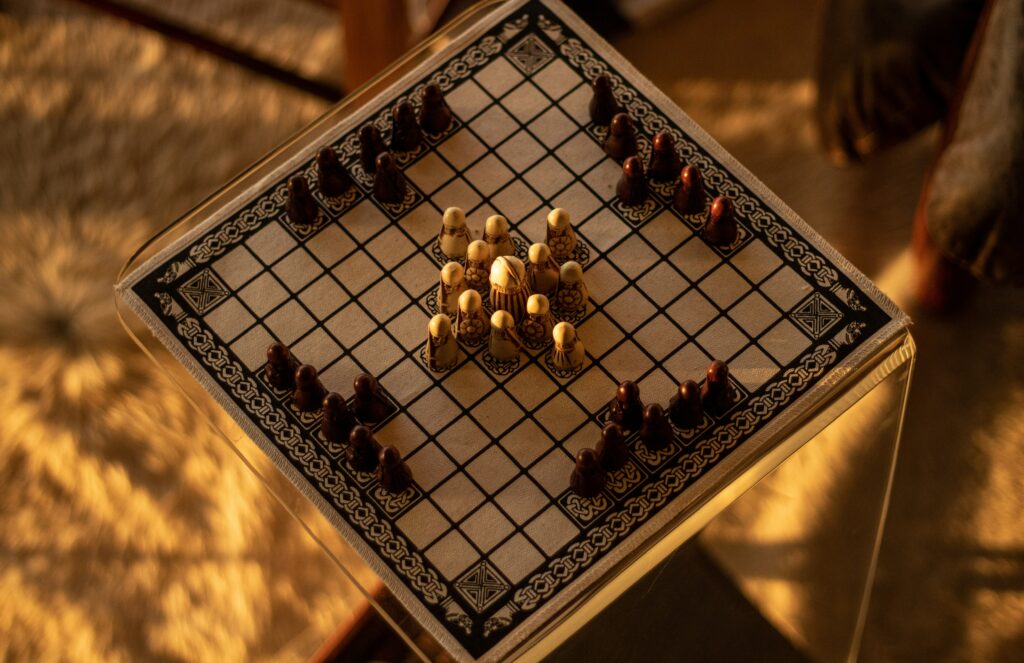
When you hear “RPG,” you might imagine elves, dragons, or a group of people throwing dice around a table. While that image still fits, the genre has expanded far beyond its fantasy roots. In 2026, role playing games (RPGs) are a diverse and immersive form of storytelling and interaction, covering a wide range of formats, themes, and communities.
So, what is a Role Playing Game today? At its core, an RPG is any game where players take on roles of characters, make decisions based on their personas, and collaboratively explore stories or challenges.
Formats You Can Try
RPGs come in multiple forms, ensuring there’s a format that fits every play style and lifestyle:
Tabletop RPGs: Played with pen, paper, dice, and often a rulebook. Games like Dungeons & Dragons and Pathfinder are classic examples.
Digital RPGs: These include single player video game RPGs (like The Witcher or Final Fantasy) as well as virtual tabletop versions of traditional RPGs.
Live Action Role Playing (LARP): Players physically act out their characters’ actions in real life with costumes and props.
Solo RPGs: Designed for one player often involving journaling or choose your own adventure mechanics for immersive, personal storytelling.
Each style offers a different kind of immersion, from traditional storytelling around a table to full body performances at live events.
Why RPGs Keep Getting Bigger
Despite being around for decades, role playing games continue to thrive and here’s why:
Flexible storytelling: RPGs allow for limitless creativity and personal connection. Players control what happens, not just follow a script.
Social interaction: Especially after an era of digital isolation, people are leaning into games that foster connection and cooperation.
Evolving technology: Virtual tabletops, AI assisted game mastering, and streaming culture have made RPGs more accessible than ever.
Diverse themes: Beyond fantasy, players explore sci fi, noir mysteries, slice of life drama, and even abstract emotional narratives.
Role playing games are no longer niche. Whether you’re into epic adventures or quiet introspection, there’s an RPG experience that fits your vibe and it’s never been easier to join the fun.
Choosing the Right RPG for You
The world of RPGs can feel like a buffet plenty of options, and it’s easy to pile too much on your plate. Start with genre. Fantasy is evergreen (swords, dragons, magic), sci fi scratches that futuristic itch, post apocalyptic sets everything on fire, and modern day lets you write weird stories in recognizable settings. No wrong picks here just what grabs you.
In 2026, systems like Dungeons & Dragons 6e still lead the charge, especially with its quality of life streamlining and modular rules. Cyberpunk RED remains a gritty go to for tech dystopias. But indie games rules light gems like Trophy Gold, Thirsty Sword Lesbians, or Wanderhome are having a moment too, especially with players looking for stories over stat blocks.
For folks stepping into RPGs for the first time, keep it simple. Starter friendly games like Quest, FATE Accelerated, or the streamlined D&D Starter Set exist to get you playing, not reading manuals for two days straight. They’re low prep, high reward, and designed to get you telling stories from session one.
Cut through the hype. Pick a genre you’re into. Choose a system with a gentle learning curve. Go narrow before you go deep.
Building Your First Character
Creating your very first RPG character can feel overwhelming but it’s also one of the most exciting parts of the game. This is your chance to shape who you’ll become in the world of your chosen role playing game.
Core Building Blocks of a Character
When you’re getting started, there are a few foundational elements to focus on. Understanding these will help you build a character that’s both fun to play and fits smoothly into the game world:
Traits: These are your character’s core stats or attributes (like strength, intelligence, or charisma). They affect how well your character performs certain actions.
Backstory: Where does your character come from? What motivates them? Even a short backstory helps bring your character to life.
Role/Class: This is your character’s job or combat style fighter, mage, rogue, medic, etc. Each role has unique strengths.
Alignment: A guidepost for your character’s ethics and moral decisions (think lawful good, chaotic neutral, etc.). It helps ground how your character reacts to the world.
Why Character Creation Matters
The character you build directly affects how you experience the game. Every interaction, battle, and story moment is filtered through the perspective of your character’s abilities and personality.
A stealthy rogue will approach situations very differently than a heavily armored paladin.
Your character’s goals and flaws can inspire unique roleplay moments.
A well rounded team of characters can improve the group’s strategy and story depth.
Creating a character isn’t just about power it’s about playstyle, personality, and potential story arcs.
Tips for Building Balanced, Beginner Friendly Characters
New to RPGs? Here’s how to build a character you’ll actually enjoy playing:
Start simple: Choose an archetype (like a classic warrior or healer) that’s easy to understand.
Focus on one or two strengths: Don’t try to be great at everything specialization makes your character more effective and more fun.
Talk to your GM or party: Coordination helps everyone have a balanced team and avoid overlap.
Leave room for growth: Your character doesn’t need to be fully fleshed out from the start. Let their story evolve through gameplay.
With these basics in mind, you’re ready to step into your first RPG session with confidence and a character who truly feels like your own.
Understanding Game Mechanics
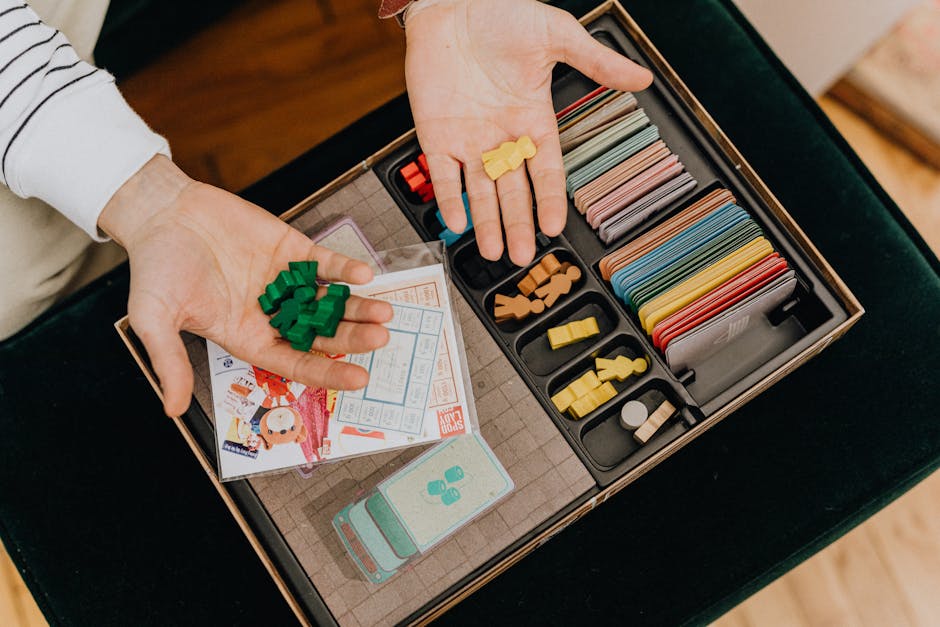
RPGs don’t have to be math class. At the core, most games use dice rolls plus character stats to decide what happens when you attempt something ambitious like swinging a sword, sneaking past a guard, or talking your way out of trouble. Your character’s stats things like strength, agility, or intelligence tell you how good they are at different tasks. Higher stat? Better odds. Levels are just a number that marks progress. As you gain experience, you unlock better abilities, equipment, or story options. It’s growth, plain and simple.
Combat and skill challenges usually run on a turn based system. That means everyone takes actions one by one, rather than all chaos breaking loose at once. It keeps things fair and focused. You have a specific number of actions move, attack, cast a spell, use an item then it’s someone else’s turn. You’re not just swinging swords; you’re playing positioning, teamwork, and timing.
But not everything is about fighting. A solid RPG session balances combat with good roleplay those moments when you lean into your character, talk with others, and make story driven choices. If the dragon encounter is the climax, the tavern conversation before it is the heartbeat. Knowing when to push a sword and when to have a conversation is what turns a good RPG player into a great one.
Setting Up Your First Game
In 2026, you’ve got options. Lots of them. Virtual platforms like Roll20, Foundry, and Discord have matured into seamless, powerful spaces for remote play. They offer built in dice rollers, shared maps, stat tracking even soundboards. If you’re playing online, these tools strip away the tech headaches so you can focus on the story. Discord, in particular, has become the social hub for entire campaigns, bridging the gap between game night and community.
That said, in person sessions are still king for raw chemistry. New players often feel more comfortable with face to face help, especially early on. Eye contact beats lag. But convenience wins too, and most beginners now lean virtual to get started less pressure, easier scheduling, lower barrier to entry.
As for whether you should be the Game Master (GM) or just grab a character sheet and play: start as a player unless you’ve got a vision burning in your head. The GM role is rewarding but hands on. You’re guiding the narrative, juggling rules, and reacting to unpredictable players. Newbies can and do start here, but most learn the ropes better from the passenger seat before taking the wheel.
Whichever route you pick, don’t wait for perfect. Just show up, roll some dice, and see where the story takes you.
Roleplay Tips That Actually Help
Great role playing isn’t about being a professional actor or coming up with dramatic monologues on the spot. It’s about contributing to the story in a way that’s authentic, flexible, and fun for both you and your group. Here’s how to sharpen your roleplay without feeling overwhelmed.
Stay In Character Without Overthinking
You don’t need to speak in an accent or memorize a script to stay in character. Focus on how your character thinks and reacts to the situation, not on perfection.
Think about your character’s motivations and values
Use simple phrases or reactions that fit your character’s personality
Don’t worry about “doing it right” just keep your choices consistent
Remember, staying in character is about mindset, not performance.
Improvise When There’s No Script
RPGs are built for spontaneity. No one can predict what twists the story will take, and that’s exactly where the magic happens.
Respond naturally to surprises like you would in real life, but through your character
Keep things moving; saying something is better than freezing up
Build off of what others are doing instead of stressing about your next move
Improvisation is a skill, and the more you do it, the easier it gets.
Support Others’ Stories While Telling Your Own
The best RPG groups are collaborative, not competitive. Your story matters but so do the stories of the people sitting around the table with you.
Listen actively to your fellow players
Find moments to spotlight others’ characters (especially newer or quieter players)
Share scenes rather than stealing them build moments together
Creating a great story isn’t about being the star, it’s about being a teammate. Support others and you’ll find your own story becomes deeper and more rewarding.
These tips aren’t about rules they’re about making roleplay more enjoyable for everyone, including yourself.
Common Mistakes Beginners Make
Even the most enthusiastic new players can trip over simple mistakes that sap the fun out of an RPG session. Knowing what to avoid can save you frustration and help you better enjoy the creative chaos that makes role playing games so rewarding.
Mistake 1: Overplanning or Underpreparing Characters
It’s easy to go overboard perfecting your first character’s backstory or mechanics or to skip preparation entirely. Both ends of the spectrum can lead to problems:
Overplanning often results in rigid characters who can’t adapt well to unexpected events or team dynamics.
Underpreparing can leave you uncertain about your character’s role, abilities, or motivations, making it harder to contribute meaningfully.
Tip: Come in with a solid concept but stay open to evolving it through play. Let your character grow with the story.
Mistake 2: Taking Failure Too Personally
RPGs thrive on uncertainty. Bad rolls, poor plans, or character decisions that don’t work out are part of the fun. Losing a battle or missing a key skill check isn’t a sign of poor play it’s often an opportunity for deeper storytelling.
Embrace failure as a way to add tension and surprise
Let your character respond to setbacks in authentic ways
Don’t confuse in game loss with out of game performance
Remember: It’s all part of the narrative. How your character copes with failure might become your most memorable moment.
Mistake 3: Forgetting It’s Collaborative, Not Competitive
RPGs are not about winning they’re about building a shared story. You’re not competing against the GM or your fellow players. Instead:
Focus on complementing other characters’ strengths
Share the spotlight and create space for everyone to shine
Support the tone of the group’s story, whether it’s comedic, dramatic, or chaotic
If you’re new to collaborative storytelling, try watching actual play series or livestreams to see how good groups support each other.
For even more mindset tips especially around managing pressure and group dynamics check out 10 Pro Tips for Dominating Battle Royale Matches. While game styles may differ, the psychology of play and teamwork overlaps more than you think.
Leveling Up Your RPG Journey
So, your first campaign is in the books. Maybe it ended with an epic boss fight, maybe it fizzled out when someone moved away. Either way, you did the thing and now you’re hungry for more. Good. Because the RPG rabbit hole runs deep, and there’s no wrong direction to dig.
Start with finding your people. Community hubs are everywhere in 2026 Reddit’s r/rpg and r/actualplay remain active, but newer forums like DiceThread and ArchiveRounds are booming with custom scenarios, play by post options, and collaborative worldbuilding projects. These aren’t just places to lurk; they’re pipelines to your next game.
Crave more narrative? Try livestreams. “Tales from the Overflow,” “One Shot Redux,” and “The Longest Party” are 2026’s most watched, blending tight production with unscripted chaos. Podcasts aren’t dead either shows like “Stat Check,” “GM’s Basement,” and “Friends Roll Forever” offer deep dives into systems, theory, and behind the scenes table talk. Whether you’re commuting or vacuuming, you can be leveling up your game.
And here’s the secret: No two RPG experiences are alike. Even the same adventure module looks wildly different from table to table. That’s the magic you’re not just playing a story, you’re helping build it. With new friends, new systems, or just a new character idea, you’re never really repeating yourself.
So keep rolling. The game doesn’t end with credits.

 Gustavo Rutthersite writes the kind of esports tournament updates content that people actually send to each other. Not because it's flashy or controversial, but because it's the sort of thing where you read it and immediately think of three people who need to see it. Gustavo has a talent for identifying the questions that a lot of people have but haven't quite figured out how to articulate yet — and then answering them properly.
They covers a lot of ground: Esports Tournament Updates, Latest Gaming News, Expert Insights, and plenty of adjacent territory that doesn't always get treated with the same seriousness. The consistency across all of it is a certain kind of respect for the reader. Gustavo doesn't assume people are stupid, and they doesn't assume they know everything either. They writes for someone who is genuinely trying to figure something out — because that's usually who's actually reading. That assumption shapes everything from how they structures an explanation to how much background they includes before getting to the point.
Beyond the practical stuff, there's something in Gustavo's writing that reflects a real investment in the subject — not performed enthusiasm, but the kind of sustained interest that produces insight over time. They has been paying attention to esports tournament updates long enough that they notices things a more casual observer would miss. That depth shows up in the work in ways that are hard to fake.
Gustavo Rutthersite writes the kind of esports tournament updates content that people actually send to each other. Not because it's flashy or controversial, but because it's the sort of thing where you read it and immediately think of three people who need to see it. Gustavo has a talent for identifying the questions that a lot of people have but haven't quite figured out how to articulate yet — and then answering them properly.
They covers a lot of ground: Esports Tournament Updates, Latest Gaming News, Expert Insights, and plenty of adjacent territory that doesn't always get treated with the same seriousness. The consistency across all of it is a certain kind of respect for the reader. Gustavo doesn't assume people are stupid, and they doesn't assume they know everything either. They writes for someone who is genuinely trying to figure something out — because that's usually who's actually reading. That assumption shapes everything from how they structures an explanation to how much background they includes before getting to the point.
Beyond the practical stuff, there's something in Gustavo's writing that reflects a real investment in the subject — not performed enthusiasm, but the kind of sustained interest that produces insight over time. They has been paying attention to esports tournament updates long enough that they notices things a more casual observer would miss. That depth shows up in the work in ways that are hard to fake.