
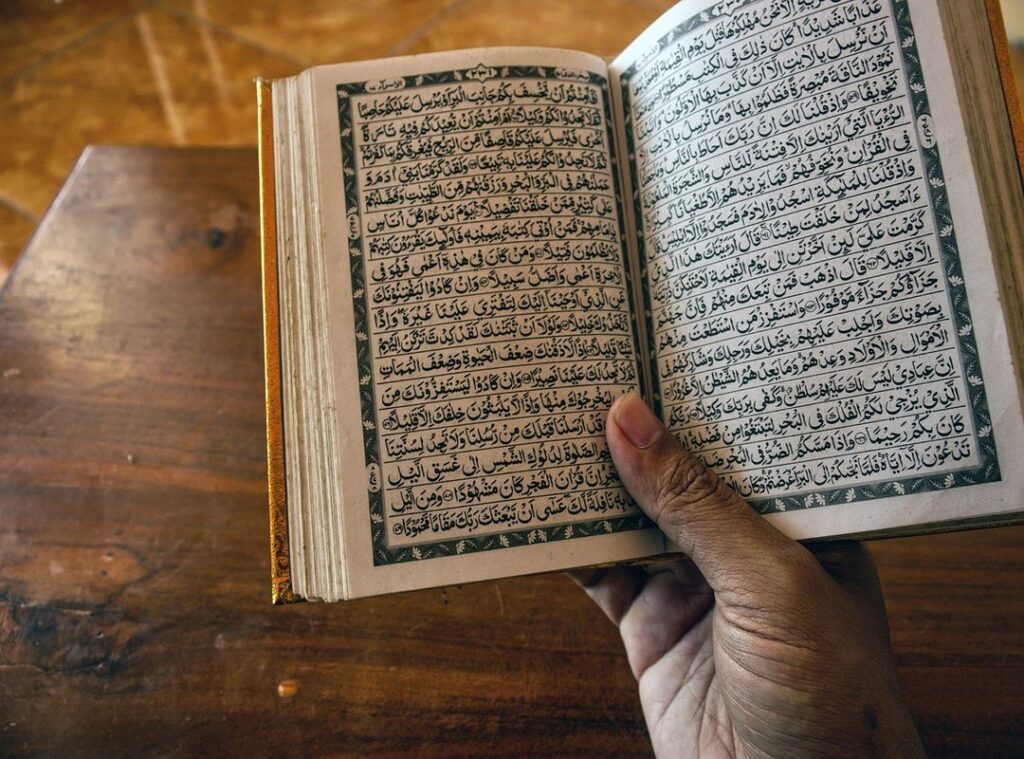
I’ve always been fascinated by the beauty and depth of Quranic verses. They carry profound meanings that can inspire and guide us. But let’s be real, not everyone is familiar with these verses, especially in different languages.
That’s why I’m excited to dive into Quran quotes in Tamil and Arabic. Understanding these quotes can open up a whole new world of wisdom and insight. Whether you’re just curious or looking to deepen your knowledge, this guide is here to help.
We’ll break it down, make it accessible, and show you why these verses are so significant. So, let’s get started, shall we?
Understanding the Quran: An Overview
What is the Quran
I remember the first time I held a Quran. It was a small, leather-bound book, and I felt a sense of reverence. The Quran is the holy book of Islam, believed to be the word of God as revealed to the Prophet Muhammad.
It’s not just a religious text; it’s a source of guidance and wisdom for Muslims around the world.
The Language of the Quran
The Quran was revealed in Arabic, and there’s a reason for that. Arabic is a rich, poetic language that can convey deep meanings and nuances. In Islamic tradition, the original Arabic text is considered sacred.
Reciting it in its original form is seen as a way to connect directly with the divine message.
- Why Arabic?
- The language’s beauty and depth.
- Its significance in Islamic rituals and prayers.
Translations and Interpretations
But what about those who don’t speak Arabic? This is where translations and interpretations come in. They make the Quran accessible to non-Arabic speakers, including Tamil-speaking communities.
While translations can never fully capture the original text’s essence, they are crucial for understanding and spreading the message.
- Importance of translations:
- Making the Quran accessible to a wider audience.
- Helping non-Arabic speakers understand the teachings.
One of my favorite verses in the Quran is:
– Arabic: وَإِذْ قَالَ مُوسَىٰ لِقَوْمِهِ يَا قَوْمِ إِنَّكُمْ ظَلَمْتُمْ أَنفُسَكُم بِاتِّخَاذِكُمُ الْعِجْلَ فَتُوبُوا عَلَىٰ بَارِئِكُمْ فَاقْتُلُوهُ
– Tamil: மோசே தனது மக்களிடம் சொன்னபோது, “ஓ மக்களே, நீங்கள் தாங்களை தவற வைத்தீர்கள், அந்த பெரும் மாமிச்சை எடுத்து வந்தது.”
This verse reminds us of the importance of self-reflection and turning back to the right path. It’s a powerful message that resonates across languages and cultures.
Understanding the Quran is a journey, and it’s one that everyone can embark on, regardless of their language.
Quran Quotes in Arabic and Their Meanings
When it comes to selecting verses from the Quran, many people assume you should only pick the most famous ones. But that’s not always the best approach.
Sometimes, less well-known verses can offer profound insights. I prefer to choose verses based on their relevance and impact, not just their popularity.
Here are a few key verses in their original Arabic script, along with transliteration and English translation:
Arabic: بِسْمِ اللَّهِ الرَّحْمَٰنِ الرَّحِيمِ
Transliteration: Bismi Allahi ar-Rahmani ar-Raheem
English Translation: In the name of Allah, the Most Gracious, the Most Merciful.
This verse is a reminder to seek blessings and guidance in every endeavor. It’s often recited before starting any task, big or small.
Arabic: وَمَا كَانَ الْمُؤْمِنُونَ لِيَنفِرُوا كَآفَةً ۚ فَلَوْلَا نَفَرَ مِن كُلِّ فِرْقَةٍ مِّنْهُمْ طَائِفَةٌ لِّيَتَفَقَّهُوا فِي الدِّينِ وَلِيُنذِرُوا قَوْمَهُمْ إِذَا رَجَعُوا إِلَيْهِمْ لَعَلَّهُمْ يَحْذَرُونَ
Transliteration: Wa mā kāna al-mu’minūna li yanfiroo kāfatan. Falaw la nafara min kulli firqatin minhum tā’ifatun litatafakkaḥū fī ad-dīni wa l-yundhirū qawmahum idhā raja’ū ilayhim la’allahum yahdharūn.
English Translation: And it is not for the believers to go forth all at once.
If there should be among every division of them a group remaining behind to obtain understanding in the religion and warn their people when they return to them, that they may beware.
This verse emphasizes the importance of education and spreading knowledge. It’s a call to action for believers to learn and share what they know.
Understanding the context of each verse is crucial. For instance, the first verse is a common opening in many Islamic texts and prayers. It sets a tone of humility and seeking divine guidance.
The second verse, while less commonly quoted, is equally important. It highlights the role of education and community in Islam.
Many people think that the most famous verses are the most significant. But sometimes, the lesser-known ones can offer just as much, if not more, wisdom. Take the time to explore these verses and see how they can enrich your understanding and practice.
By delving into both popular and lesser-known verses, you can gain a more comprehensive and nuanced understanding of the Quran.
Quran Quotes in Tamil and Their Meanings
Have you ever wondered how the profound verses of the Quran resonate in different languages? Let’s dive into some quran quotes in tamil and arabic, along with their English translations.
First, let’s look at a well-known verse. In Arabic, it reads: “إِنَّ اللَّهَ وَمَلَائِكَتَهُ يُصَلُّونَ عَلَى النَّبِيِّ ۚ يَا أَيُّهَا الَّذِينَ آمَنُوا صَلُّوا عَلَيْهِ وَسَلِّمُوا تَسْلِيمًا” (Inna Allah wa malaikatahu yusalluna ‘ala an-Nabi; ya ayyuha allatheena amanoo salluu ‘alayhi wasallimu tasleeman).
In Tamil, this verse is translated as: “ஈश்வர் மற்றும் அவரது உயிரோட்டு தேவங்கள் நபியின் மீது பிரார்த்தனை செய்து வருகின்றனர்; நம்பிக்கை வாய்ந்த நீங்களோ, அவர் மீது பிரார்த்தனைச் செய்து, அவருக்கு வணங்குங்கள்.”
The English translation is: “Indeed, Allah and His angels are constantly praying for the Prophet. O you who believe! Pray for him and send your greetings of peace upon him.”
Now, what does this mean? This verse emphasizes the importance of sending blessings and peace to the Prophet Muhammad. It’s a reminder of the respect and love we should have for him.
How about the cultural implications? In Tamil culture, respect for spiritual leaders is deeply ingrained. So, this verse resonates well, reinforcing the values of reverence and gratitude.
Do you see the nuances? The Tamil translation captures the essence of the Arabic, but it also feels more personal and relatable to Tamil speakers. It’s a beautiful blend of universal and local.
Next, let’s explore another verse. In Arabic: “وَاللَّهُ يَعْصِمُكَ مِنَ النَّاسِ ۗ إِنَّ اللَّهَ لَا يَهْدِي الْقَوْمَ الظَّالِمِينَ” (Wallaahu ya’ simuka mina an-naasi; innallaaha laa yahdi al-qawma ththalimeena). quran quotes in
In Tamil: “ஆலாஹ் உங்களை மக்களிலிருந்து பாதுகாத்து வருவார்; ஆலாஹ் எந்த பொருட்டும் தோற்ற நூற்றாளர்களை செய்திருக்கார்.”
The English translation: “And Allah will protect you from the people. Indeed, Allah does not guide the wrongdoing people.”
This verse reassures us that divine protection is always there. It’s a comforting thought, especially in times of doubt or fear.
How does this translate culturally? In Tamil society, the idea of divine protection is very strong. This verse aligns well with the belief that good deeds and faith bring divine safeguarding.
So, what do you think? Do these verses feel more meaningful when you read them in Tamil? How do they connect with your own experiences and beliefs?
Understanding these verses in different languages helps us appreciate the universal message of the Quran. It’s a reminder that no matter where we come from, the core teachings remain the same.
How to Use Quran Quotes in Daily Life

Incorporating Quranic verses into your daily routine can be a powerful way to find guidance and peace. Recitation, reflection, and meditation are just a few ways to do this.
Reciting verses in the morning or evening can set a positive tone for your day. For example, you might recite:
اللهم إني أشكوك نفسي، وَأَعُوذُ بِكَ مِنْ شَرِّ نَفْسِي
(Transliteration: Allahumma inni ashkuka nafsi, wa-a’udhu bika min sharrinafs)
This verse helps in seeking protection from one’s own self and its negative tendencies.
Reflection on these verses can also be a meaningful practice. Take a moment to think about the meaning and how it applies to your life. It’s like having a conversation with yourself, guided by divine wisdom.
Meditation on Quranic verses can be a calming and centering experience. Find a quiet spot, close your eyes, and let the words sink in. This can help you feel more grounded and connected.
These practices can inspire personal growth, ethical behavior, and spiritual development. When you reflect on verses that speak to honesty, kindness, and patience, you’re more likely to embody those qualities in your interactions with others.
Incorporating Quranic verses into your daily life isn’t just about following a routine. It’s about making a conscious effort to live by the values and teachings they offer. This can lead to a more fulfilling and purposeful life.
Frequently Asked Questions (FAQs)
Q1: Why is the Quran important in Islam?
Think of the Quran as the blueprint for a building. Just like a blueprint guides the construction, the Quran guides the lives of Muslims. It’s the ultimate source of guidance, wisdom, and laws.
Q2: Are there any specific rules for reciting Quranic verses?
Absolutely. Reciting the Quran is like playing a musical instrument; you need to follow certain rules to do it right. For example, you should be in a state of purity, recite with clarity, and respect the text.
It’s not just about reading; it’s about connecting with the words.
Pro Tip: Take your time to learn the proper pronunciation and rhythm. It makes a big difference.
Q3: How can I find more resources to learn about the Quran in Tamil and Arabic?
Finding resources is like going on a treasure hunt. You can start by visiting local mosques or Islamic centers. They often have classes and materials in multiple languages.
Additionally, many online platforms offer free resources, including videos, articles, and audio recordings.
Here’s a quote in Tamil and Arabic to give you a taste:
Tamil: அல்லாஹ் உமது விருப்பத்தை நிறைவேற்றும்
Arabic: الله يُؤتِي نِعْمَةً مَن يَشَاءُ
Embracing the Wisdom of the Quran
Understanding the Quran in both Tamil and Arabic is crucial for a deeper connection with its teachings. القرآن الكريم هو نور يهدي الناس and குரआன் என்பது மனிதனை வழிகாட்டும் ஒளி. These verses highlight the importance of the Quran as a guiding light.
The article emphasizes the significance of these languages in grasping the profound meanings within the text.
By using the provided information, readers can enhance their appreciation and understanding of the Quran.
The Quran offers timeless wisdom and guidance. Its messages are universal and applicable to all, making it a source of enlightenment for everyone.

 William Rhoadstape writes the kind of upcoming game releases content that people actually send to each other. Not because it's flashy or controversial, but because it's the sort of thing where you read it and immediately think of three people who need to see it. William has a talent for identifying the questions that a lot of people have but haven't quite figured out how to articulate yet — and then answering them properly.
They covers a lot of ground: Upcoming Game Releases, Player Strategy Guides, Game Reviews and Ratings, and plenty of adjacent territory that doesn't always get treated with the same seriousness. The consistency across all of it is a certain kind of respect for the reader. William doesn't assume people are stupid, and they doesn't assume they know everything either. They writes for someone who is genuinely trying to figure something out — because that's usually who's actually reading. That assumption shapes everything from how they structures an explanation to how much background they includes before getting to the point.
Beyond the practical stuff, there's something in William's writing that reflects a real investment in the subject — not performed enthusiasm, but the kind of sustained interest that produces insight over time. They has been paying attention to upcoming game releases long enough that they notices things a more casual observer would miss. That depth shows up in the work in ways that are hard to fake.
William Rhoadstape writes the kind of upcoming game releases content that people actually send to each other. Not because it's flashy or controversial, but because it's the sort of thing where you read it and immediately think of three people who need to see it. William has a talent for identifying the questions that a lot of people have but haven't quite figured out how to articulate yet — and then answering them properly.
They covers a lot of ground: Upcoming Game Releases, Player Strategy Guides, Game Reviews and Ratings, and plenty of adjacent territory that doesn't always get treated with the same seriousness. The consistency across all of it is a certain kind of respect for the reader. William doesn't assume people are stupid, and they doesn't assume they know everything either. They writes for someone who is genuinely trying to figure something out — because that's usually who's actually reading. That assumption shapes everything from how they structures an explanation to how much background they includes before getting to the point.
Beyond the practical stuff, there's something in William's writing that reflects a real investment in the subject — not performed enthusiasm, but the kind of sustained interest that produces insight over time. They has been paying attention to upcoming game releases long enough that they notices things a more casual observer would miss. That depth shows up in the work in ways that are hard to fake.