
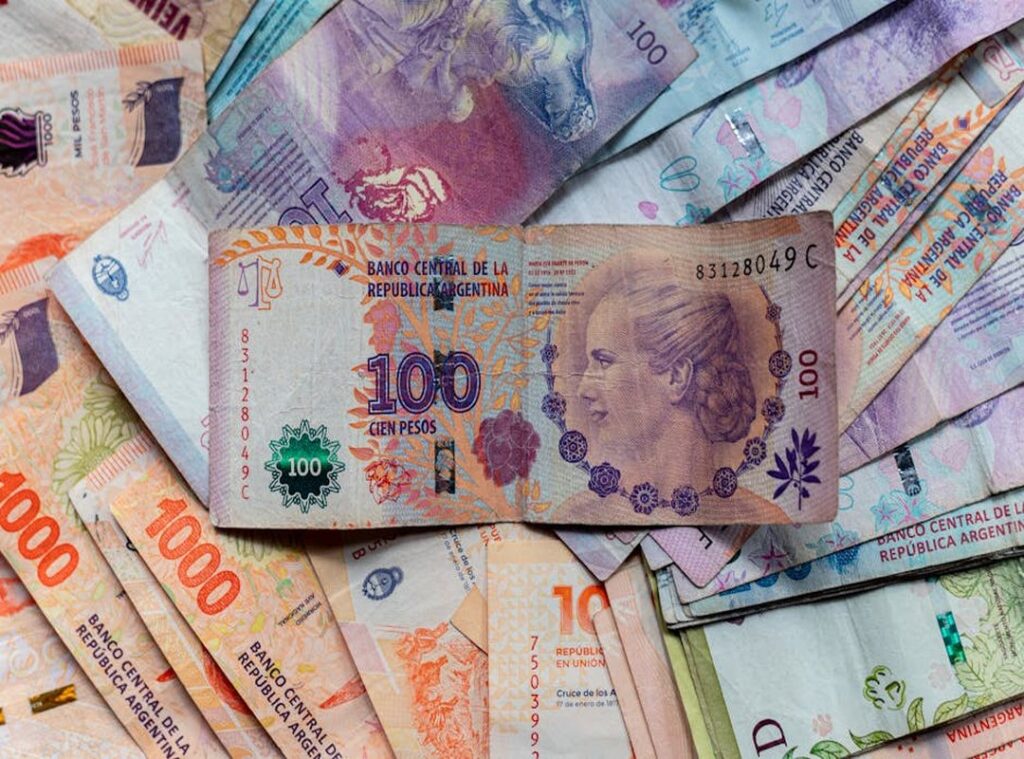
When you hear 80 soles a peso chileno , it sounds off, doesn’t it? You might wonder, how can this be, and it’s not a typo.
This unusual exchange rate is real and it’s causing a lot of confusion.
I’ve been in the financial world long enough to know that such anomalies can be both intriguing and frustrating. Let’s break it down, and why does this happen?
What does it mean for you and me?
This article will explain the reasons behind this strange rate. We’ll look at its implications and how it affects individuals and businesses. I’ll keep it simple and straightforward, no jargon or fluff.
Just the facts and some insights.
So, if you’re scratching your head over 80 soles a peso chileno, stick with me. We’ll get to the bottom of it.
Basics of Exchange Rates
Have you ever wondered why exchange rates go up and down? It’s all about supply and demand. When more people want to buy a currency, its value goes up.
Simple as that.
Current Rate
Right now, the rate is 80 soles a peso chileno. That might sound high, but it’s important to look at historical data. Sometimes, these rates can be all over the place.
Factors Influencing the Rate
Inflation plays a big role. If one country has higher inflation than another, its currency will usually weaken. Makes sense, right?
Interest rates are another key factor. Higher interest rates in a country can attract foreign investors, boosting the demand for that country’s currency.
Trade balances matter too. A country with a trade surplus (exporting more than it imports) often sees its currency strengthen. The opposite happens with a trade deficit.
Understanding these factors can help you make sense of the ups and downs. So, next time you see a change in the exchange rate, you’ll know what’s behind it.
Economic Context in Peru and Chile
Peru’s economy has been on a rollercoaster. Back in 2021, it saw a significant rebound after the initial pandemic shock. But lately, growth has slowed down.
Inflation is a real concern, and the central bank has been hiking interest rates to keep it in check.
Chile’s situation is a bit different. The country has managed to maintain a more stable economic environment. Recent years have seen steady growth, though not as rapid as before.
The government’s fiscal policies and strong export performance, especially in copper, have helped.
Now, let’s talk about the exchange rate. The current rate of 80 soles a peso chileno reflects these economic conditions. Peru’s higher inflation and slower growth make its currency less attractive compared to the Chilean peso.
Understanding these dynamics is key. It helps you see why the exchange rate is where it is. And that can guide your financial decisions, whether you’re planning a trip or looking at investment opportunities.
Implications for Individuals and Businesses
When it comes to travel, the exchange rate between Peru and Chile can make a big difference. Tourists and business travelers need to be aware of how their money will stretch in each country.
For example, if the rate is 80 soles a peso chileno, you’ll need to adjust your budget accordingly. This can affect everything from hotel costs to meals and transportation.
Trade and Commerce
The exchange rate also impacts trade and commerce. Import and export activities are heavily influenced by these rates. If the soles strengthen, Peruvian goods become more expensive in Chile, and vice versa.
Businesses need to adapt. They might look at diversifying their markets or adjusting their pricing strategies. It’s not always easy, but it’s necessary to stay competitive.
Investment Considerations
Investors, both local and foreign, need to pay close attention to the exchange rate. It can significantly influence investment decisions. A strong currency can make investments in that country more attractive, while a weak one might deter investors.
But here’s the thing: predicting exchange rates is tricky. There’s a lot of uncertainty, and even experts don’t always get it right.
So, what’s the best approach, and diversify your portfolio. Don’t put all your eggs in one basket.
(And if you’re looking for more tips on making smart investment choices, read more.)
By staying informed and flexible, you can better navigate the ups and downs of the market.
Practical Tips for Managing the Exchange Rate

Currency conversion can be a headache, but it doesn’t have to be. Use reputable financial institutions and online platforms to get the best rates. They often offer competitive fees and real-time exchange rates.
When dealing with the 80 PEN to 1 CLP rate, budgeting and planning are key. Start by setting a clear budget. Know how much you need in Chilean pesos (CLP) and convert only what’s necessary.
This helps avoid over-converting and losing money on fees.
Keep an eye on the exchange rate trends. If you see the rate is favorable, consider converting more. But don’t go overboard.
Stick to your budget.
Managing financial risks is crucial, and currency fluctuations can eat into your funds. Hedging is one way to protect yourself.
It involves using financial instruments to offset potential losses. Diversification is another strategy. Spread your investments across different currencies to reduce risk.
For example, if you’re traveling or doing business in both Peru and Chile, having a mix of soles (PEN) and pesos (CLP) can help. This way, you’re not entirely dependent on one currency.
Remember, 80 soles a peso chileno can change. Stay informed and adjust your strategy as needed. Regularly check financial news and updates to stay ahead of any changes.
Navigating the 80 Soles for One Chilean Peso Exchange Rate
The current exchange rate of 80 soles a peso chileno reflects significant economic dynamics between Peru and Chile. This rate is influenced by various factors, including inflation rates, interest rates, and overall economic health.
Understanding these underlying factors is crucial. It helps in predicting future movements and making informed financial decisions.
Adapting to this exchange rate involves careful planning. For businesses and individuals, it’s important to consider hedging strategies or adjusting pricing models to mitigate risks.
Staying informed about economic indicators and market trends can provide valuable insights. Regularly reviewing and adjusting your financial strategies based on the latest information is key.
Proactive management of cross-border transactions can help in maximizing benefits and minimizing losses.

 Gustavo Rutthersite writes the kind of esports tournament updates content that people actually send to each other. Not because it's flashy or controversial, but because it's the sort of thing where you read it and immediately think of three people who need to see it. Gustavo has a talent for identifying the questions that a lot of people have but haven't quite figured out how to articulate yet — and then answering them properly.
They covers a lot of ground: Esports Tournament Updates, Latest Gaming News, Expert Insights, and plenty of adjacent territory that doesn't always get treated with the same seriousness. The consistency across all of it is a certain kind of respect for the reader. Gustavo doesn't assume people are stupid, and they doesn't assume they know everything either. They writes for someone who is genuinely trying to figure something out — because that's usually who's actually reading. That assumption shapes everything from how they structures an explanation to how much background they includes before getting to the point.
Beyond the practical stuff, there's something in Gustavo's writing that reflects a real investment in the subject — not performed enthusiasm, but the kind of sustained interest that produces insight over time. They has been paying attention to esports tournament updates long enough that they notices things a more casual observer would miss. That depth shows up in the work in ways that are hard to fake.
Gustavo Rutthersite writes the kind of esports tournament updates content that people actually send to each other. Not because it's flashy or controversial, but because it's the sort of thing where you read it and immediately think of three people who need to see it. Gustavo has a talent for identifying the questions that a lot of people have but haven't quite figured out how to articulate yet — and then answering them properly.
They covers a lot of ground: Esports Tournament Updates, Latest Gaming News, Expert Insights, and plenty of adjacent territory that doesn't always get treated with the same seriousness. The consistency across all of it is a certain kind of respect for the reader. Gustavo doesn't assume people are stupid, and they doesn't assume they know everything either. They writes for someone who is genuinely trying to figure something out — because that's usually who's actually reading. That assumption shapes everything from how they structures an explanation to how much background they includes before getting to the point.
Beyond the practical stuff, there's something in Gustavo's writing that reflects a real investment in the subject — not performed enthusiasm, but the kind of sustained interest that produces insight over time. They has been paying attention to esports tournament updates long enough that they notices things a more casual observer would miss. That depth shows up in the work in ways that are hard to fake.