That perfect Hearthstone combo.
You know the one. Cards click. Opponent’s face drops.
You exhale like you just won something real.
But then what? You keep playing the same deck. Same meta.
Same win rate. And that spark starts to fade.
I’ve been there. I’ve built 47 decks. Lost count of how many times I rage-quit after a bad mulligan.
So I stopped looking for another game and started asking: what actually makes that moment feel good?
It’s not the cards. It’s not the art. It’s how your brain lights up when you outthink someone in real time.
This isn’t a list of games to try. It’s a breakdown of what you respond to (board) control, tempo, bluffing, resource denial.
I’ve studied Plan Games Hearthssgaming for years. Not just played. Watched.
Tested. Broke them down frame by frame.
You’ll walk away knowing exactly why some games grip you. And why others don’t.
No fluff. No filler. Just clarity on what kind of strategist you really are.
The Pillars of Play: Hearthstone’s Four Real Tests
I play Hearthstone. Not casually. I lose on purpose sometimes just to test how a deck really behaves when it’s behind.
Hearthssgaming is where I go when I need raw, unfiltered breakdowns. Not theorycrafting fluff.
Pre-game prep isn’t optional. It’s your first move. Deckbuilding forces you to commit to a plan before the match starts.
You’re not just picking cards. You’re betting on tempo, draw, or burn. Miss that, and you’re already losing.
Resource management? That’s mana. That’s card advantage.
You get one extra mana crystal each turn. No refunds. No do-overs.
You either spend it or watch it vanish. And if you trade two cards for one of theirs? You’re digging yourself a hole.
Tactical decisions happen every single turn. Do you clear their 3/2 now. Or let it sit and drop your face next round?
Trading minions isn’t math. It’s timing. It’s risk.
It’s knowing when to hold back.
Predictive play is the quietest pillar. And the hardest. You’re not just playing your hand.
You’re guessing what’s in theirs. Is that silence because they’re setting up a combo? Or did they just mulligan into dust?
That’s why board control separates players from winners.
Plan Games Hearthssgaming isn’t about flashy animations. It’s about those four moments. Before, during, and between turns (where) real plan lives.
You think you know your opponent’s deck.
Do you really?
For the Master Builders: Deckbuilding Done Right
I love deckbuilding. Not the part where you click “auto-fill” and hope for the best. I mean the real part.
Cutting, testing, second-guessing, then cutting again.
Slay the Spire is where I go when I want to feel every decision in my hands. You start with junk cards. Every fight, every shop, every boss drop reshapes your deck on the fly.
There’s no pre-match tuning. You adapt or you die. (And you will die.
Often.)
Magic: The Gathering Arena? That’s where theorycrafting lives and breathes. Four-color combos.
Almost too deep sometimes. But if you crave Plan Games Hearthssgaming, this isn’t just a game. It’s a language.
Mana curve math. Sideboarding like it’s chess with consequences. It’s deep.
Hearthstone gives you classes. Fixed archetypes. You tweak within rails.
Slay the Spire throws you into chaos. MTGA drops you into a library of 20,000+ cards and says “build something that wins.”
One forces you to improve before round one. The other forces you to rebuild during round one.
Which do you prefer?
I’ll tell you what I do: I play Spire when I want instinct. I fire up MTGA when I want precision.
Pro tip: Skip the starter decks in MTGA. They’re training wheels. Go straight to drafting (that’s) where real deckbuilding muscle gets built.
You don’t need 500 cards to make a great deck. You need two things: a clear win condition and zero dead draws.
If crafting the perfect deck from scratch matters more than anything else. Yeah, these games get it right.
No fluff. No filler. Just cards, choices, and consequences.
The Tactician’s Arena: Where Board Control is Everything
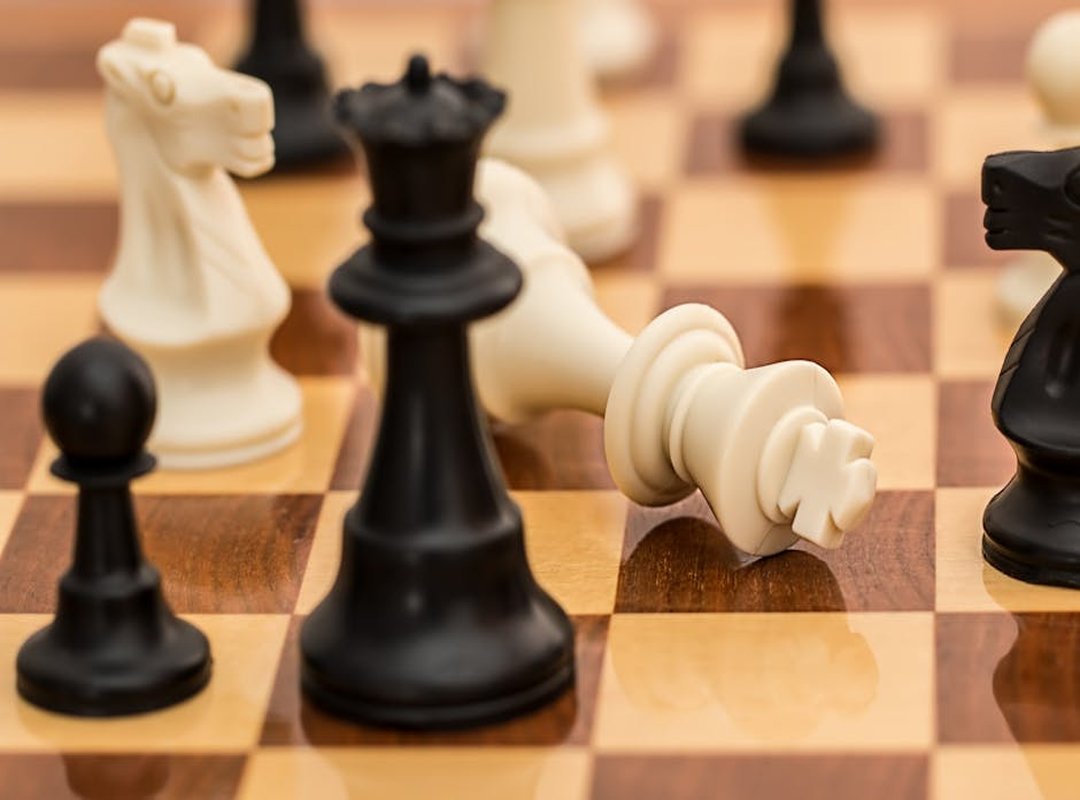
I don’t care about your deck. I care where you put your units.
If you’ve ever stared at a Hearthstone board and felt more alive than during any card draw. That’s your sign.
You’re not here for luck. You’re here for placement. For timing.
For knowing exactly when to trade a 3/2 into a 4/3 so the leftover damage hits their face next turn.
That’s Pillar 3. Tactical certainty.
I go into much more detail on this in Technologies Hearthssgaming.
Into the Breach strips away randomness. No shuffled decks. No top-deck miracles.
Just you, your mechs, and a grid. Every tile matters. Every turn order is locked in.
You see everything. Which means every mistake is yours alone. (Good.)
Then there’s auto-battlers like Teamfight Tactics. No direct control. But you’re still fighting (over) positioning, over synergies, over gold economy.
That 2-gold unit on the back row? It’s not hiding. It’s baiting.
And yes. It takes Hearthstone’s minion trading and blows it up. Turns it from a side mechanic into the entire language of the game.
You learn how much health matters. How attack speed changes trades. How range breaks symmetry.
It’s chess with explosions. And no timers breathing down your neck.
If your favorite part of Hearthstone is outmaneuvering your opponent on the board (not) drawing the perfect card, but making the perfect trade. Then these games will test you harder than anything else.
Minion trading isn’t just a phase. It’s the core.
That’s why I point people toward Technologies Hearthssgaming. Not for flashy features, but for how cleanly it maps those tactical decisions onto screen space and input.
Most plan tools overcomplicate. This one doesn’t.
You want clarity? You want control? You want to see the fight before it happens?
Then stop managing decks. Start managing space.
Beyond Mana: Spell Mana, Rounds, and Real Choices
I’m tired of mana curves that feel like prison sentences. You draw a card. You count.
You sigh. That’s not plan (that’s) arithmetic.
Legends of Runeterra uses Spell Mana. It’s separate from regular mana. You play spells without tapping your main resource pool.
This lets you react (actually) react. To what your opponent does. Hearthstone doesn’t let you do that.
Not really.
Gwent throws the whole idea out. No turns. Just three rounds.
Win two. Simple. Brutal.
You decide when to go all-in (and) when to fold. That round-based tension? It changes everything.
You ever lose a Hearthstone game because you misplayed turn four? Yeah. Me too.
But in Gwent, you choose when to lose a round. That’s power.
Most Plan Games Hearthssgaming still treat resources like sacred relics. Don’t touch them. Don’t bend them.
Don’t question them.
I say break the altar.
If you want to stop playing the same rhythm over and over, start here. Then go deeper with Tips and Tricks Hearthssgaming.
Your Next Plan Game Is Already Waiting
I’ve been there. Staring at Hearthstone’s empty play screen. That itch won’t quit.
You don’t want another clone. You want a real shift (something) that grabs you the same way did.
So ask yourself: what part of the game actually held your attention? Deckbuilding? Tactical board play?
Weird resource systems?
Pick one. Just one. Then go download the game in this article that matches it.
No more scrolling. No more “maybe next week.” You know what feels stale.
Plan Games Hearthssgaming isn’t about filling time. It’s about finding the next thing that makes you lose track of it.
The next great plan game isn’t just a clone; it’s a new challenge waiting for you to conquer.
Download now. Play tonight. Stop waiting for permission.

 Gustavo Rutthersite writes the kind of esports tournament updates content that people actually send to each other. Not because it's flashy or controversial, but because it's the sort of thing where you read it and immediately think of three people who need to see it. Gustavo has a talent for identifying the questions that a lot of people have but haven't quite figured out how to articulate yet — and then answering them properly.
They covers a lot of ground: Esports Tournament Updates, Latest Gaming News, Expert Insights, and plenty of adjacent territory that doesn't always get treated with the same seriousness. The consistency across all of it is a certain kind of respect for the reader. Gustavo doesn't assume people are stupid, and they doesn't assume they know everything either. They writes for someone who is genuinely trying to figure something out — because that's usually who's actually reading. That assumption shapes everything from how they structures an explanation to how much background they includes before getting to the point.
Beyond the practical stuff, there's something in Gustavo's writing that reflects a real investment in the subject — not performed enthusiasm, but the kind of sustained interest that produces insight over time. They has been paying attention to esports tournament updates long enough that they notices things a more casual observer would miss. That depth shows up in the work in ways that are hard to fake.
Gustavo Rutthersite writes the kind of esports tournament updates content that people actually send to each other. Not because it's flashy or controversial, but because it's the sort of thing where you read it and immediately think of three people who need to see it. Gustavo has a talent for identifying the questions that a lot of people have but haven't quite figured out how to articulate yet — and then answering them properly.
They covers a lot of ground: Esports Tournament Updates, Latest Gaming News, Expert Insights, and plenty of adjacent territory that doesn't always get treated with the same seriousness. The consistency across all of it is a certain kind of respect for the reader. Gustavo doesn't assume people are stupid, and they doesn't assume they know everything either. They writes for someone who is genuinely trying to figure something out — because that's usually who's actually reading. That assumption shapes everything from how they structures an explanation to how much background they includes before getting to the point.
Beyond the practical stuff, there's something in Gustavo's writing that reflects a real investment in the subject — not performed enthusiasm, but the kind of sustained interest that produces insight over time. They has been paying attention to esports tournament updates long enough that they notices things a more casual observer would miss. That depth shows up in the work in ways that are hard to fake.